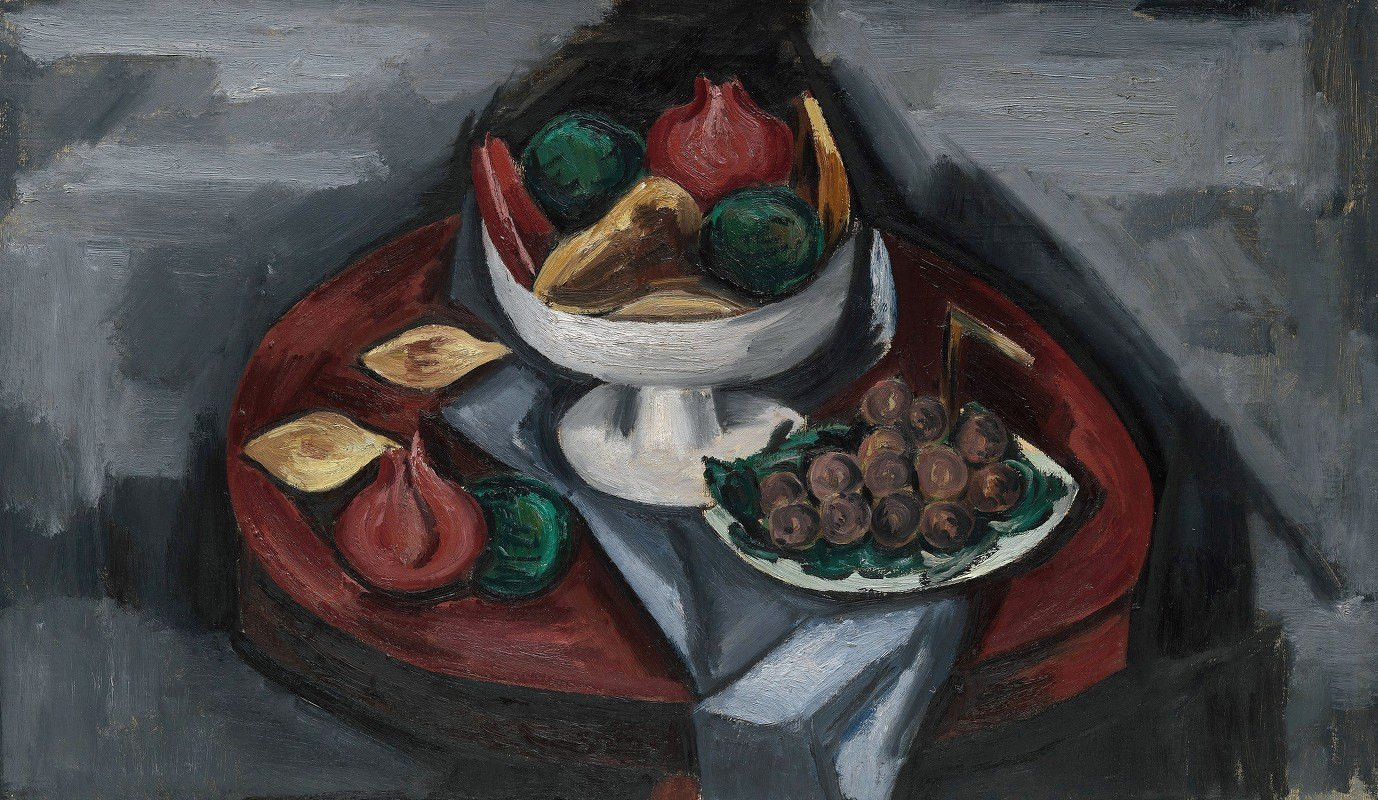
Giclée quality print
63x80 cm
€40.00 €40.00
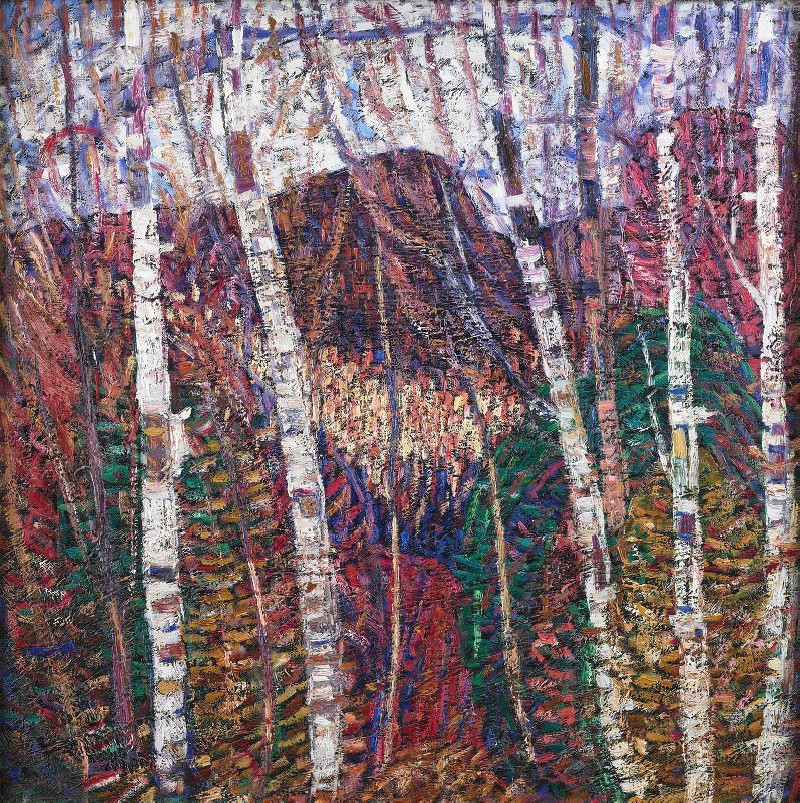
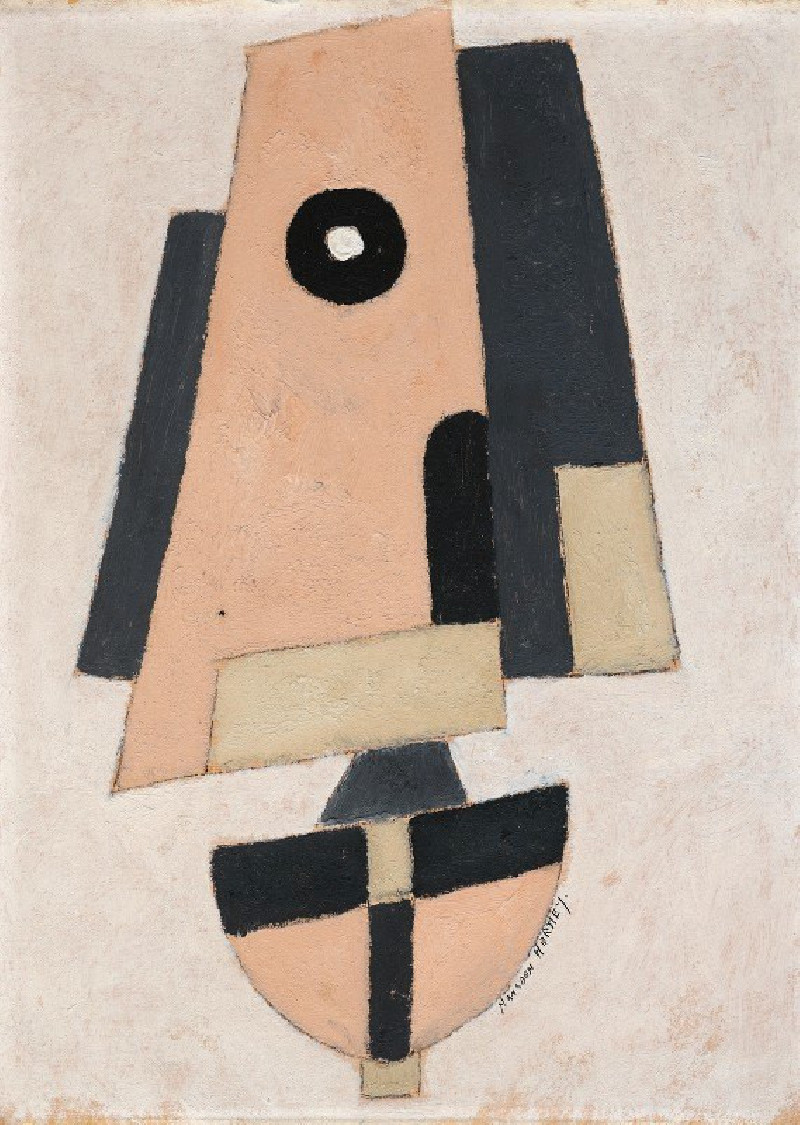
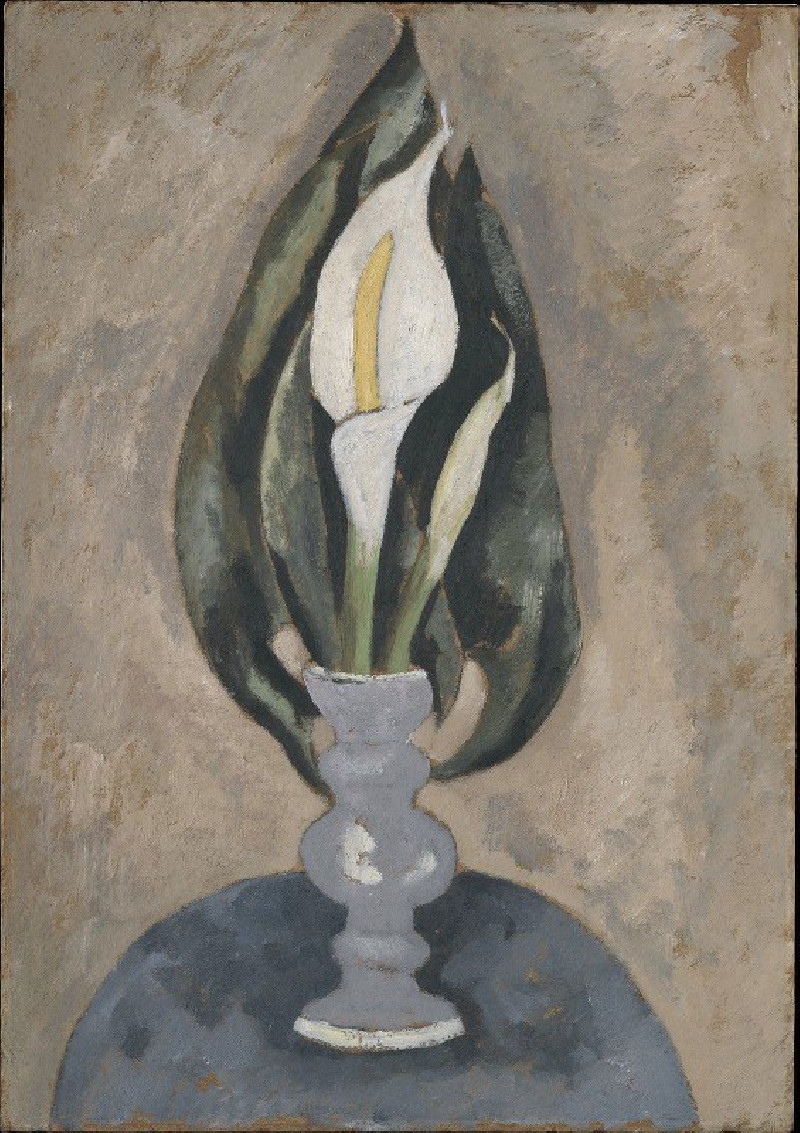
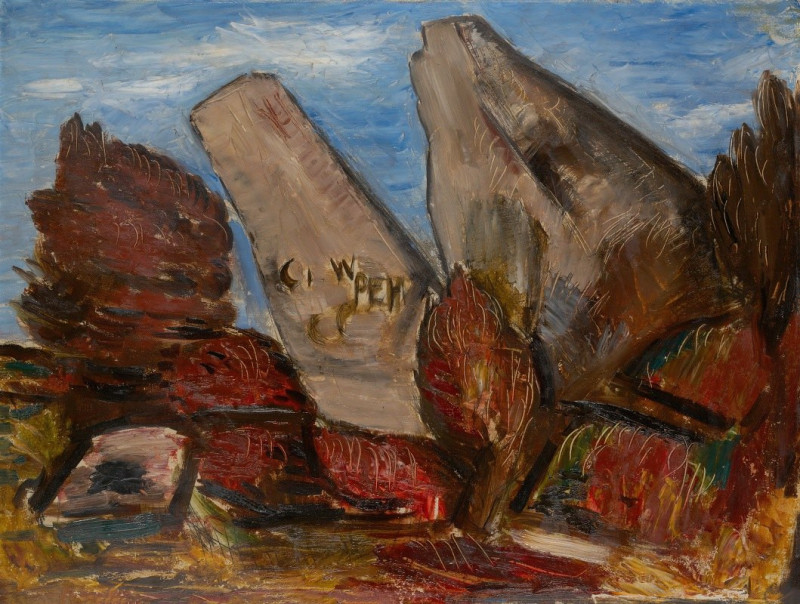
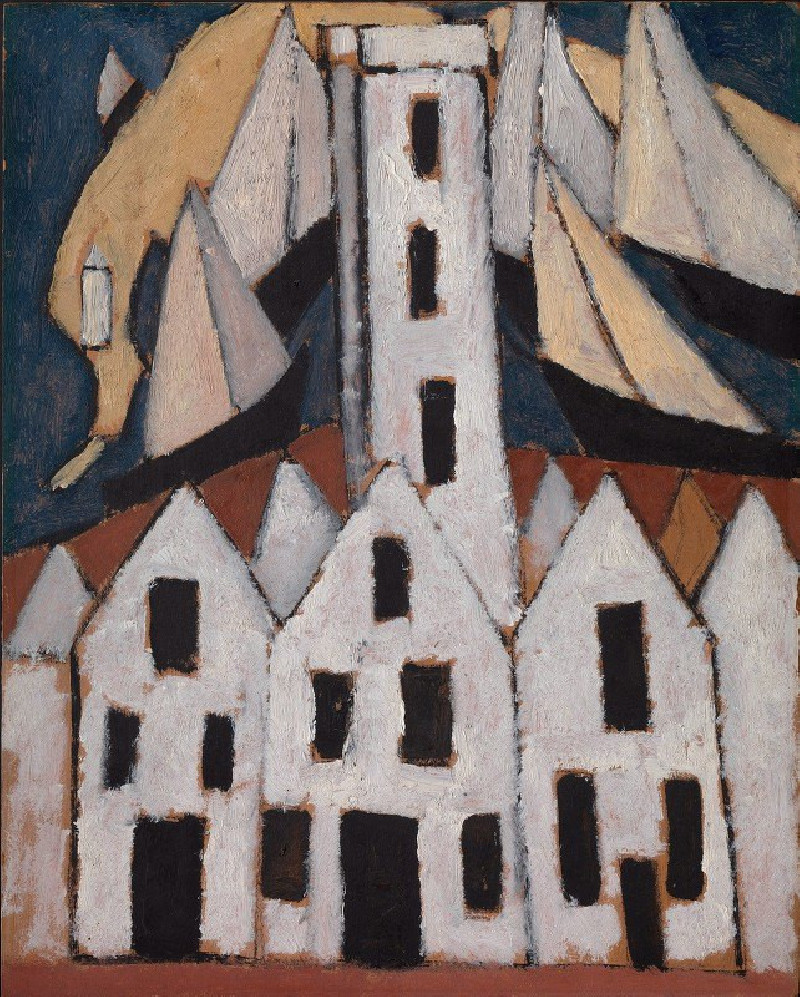
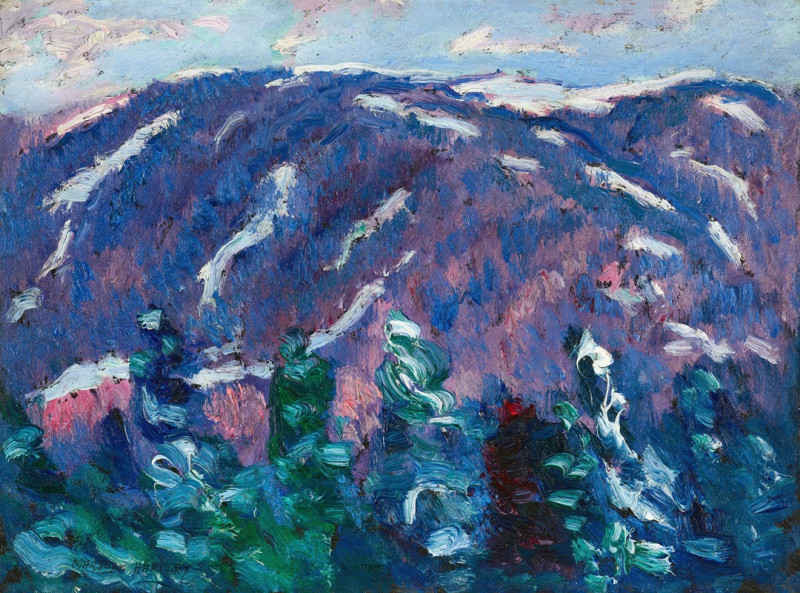
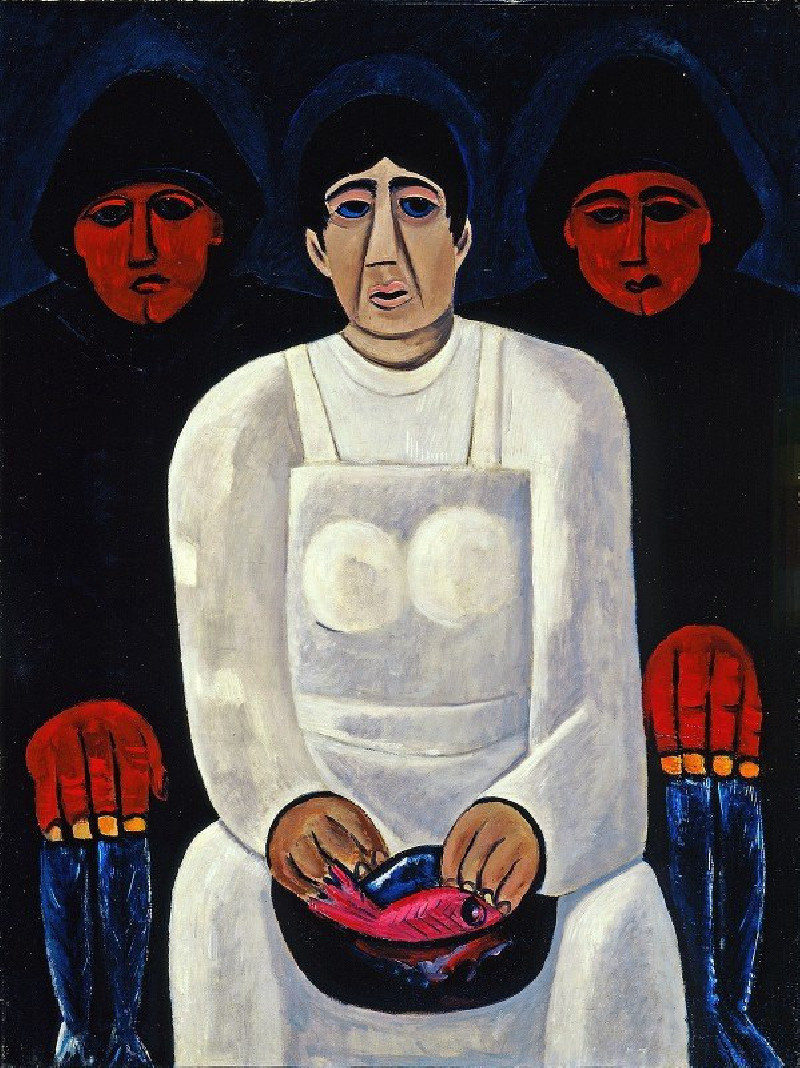
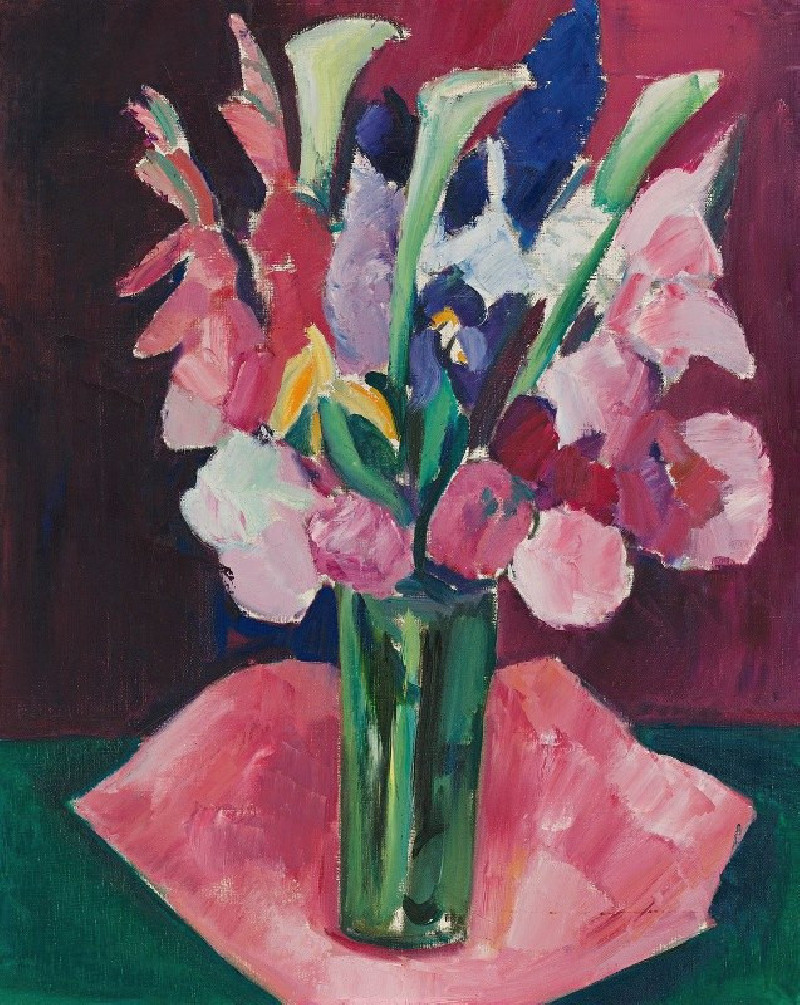
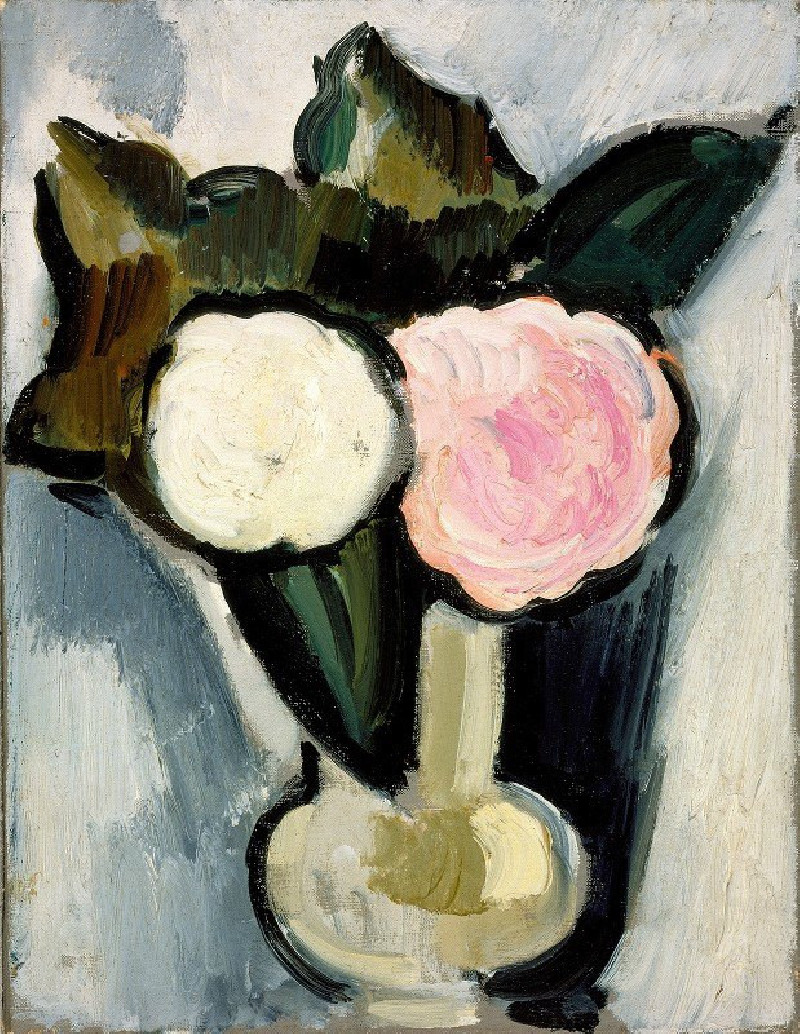
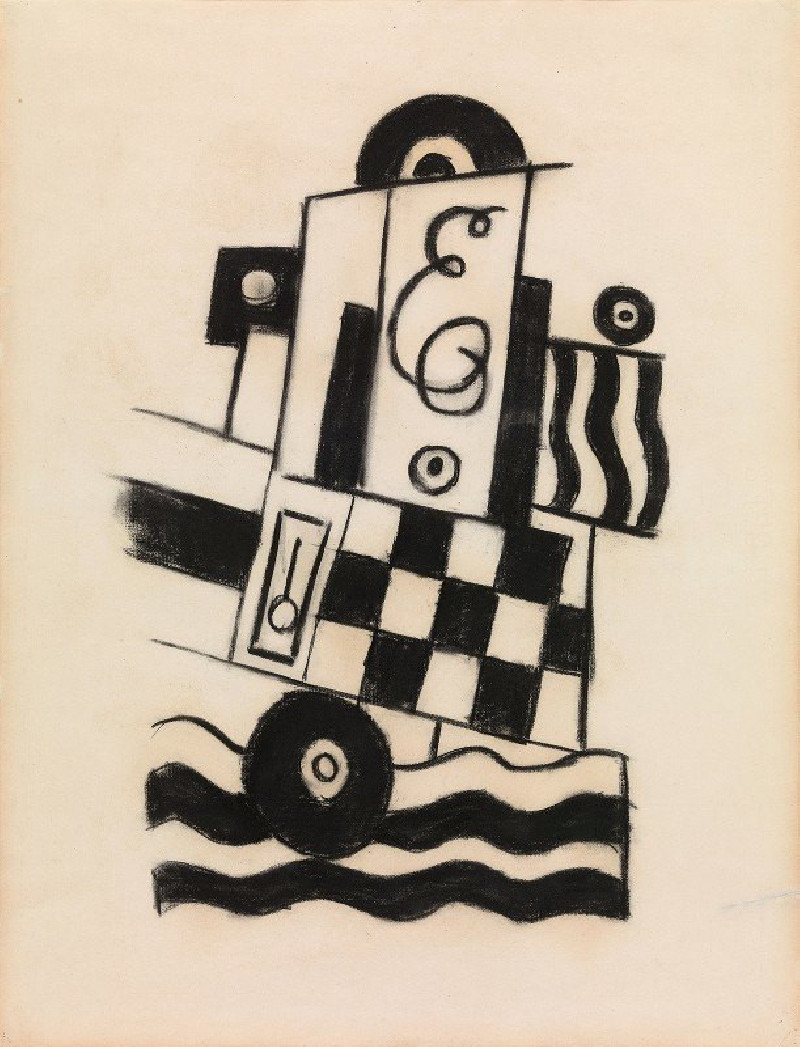
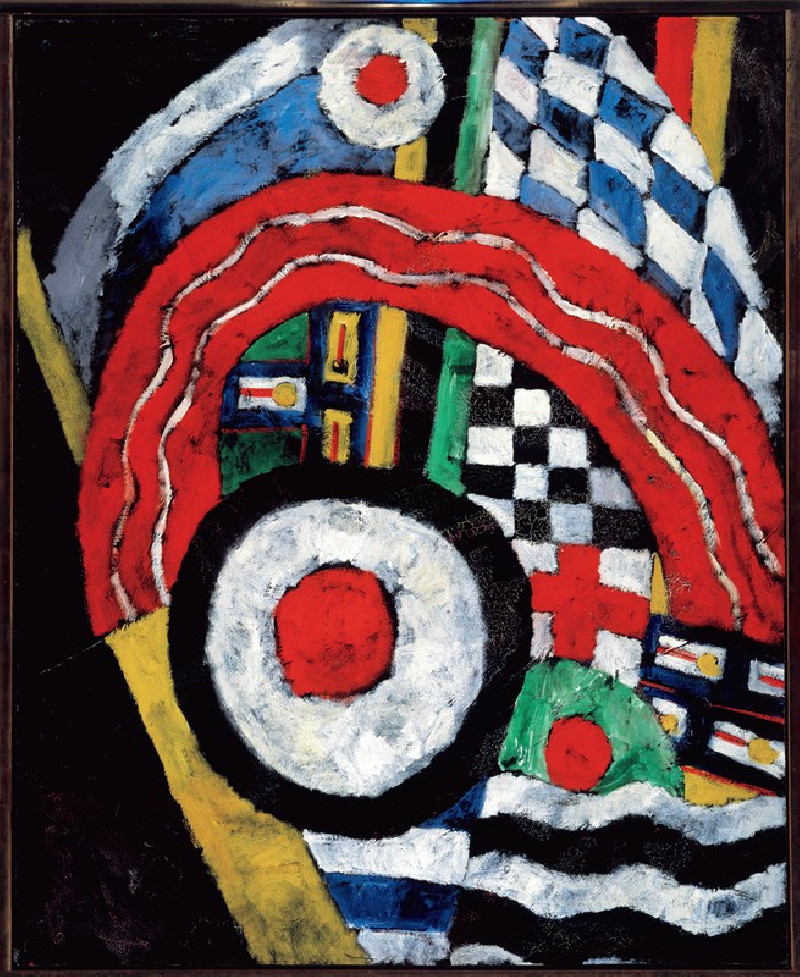
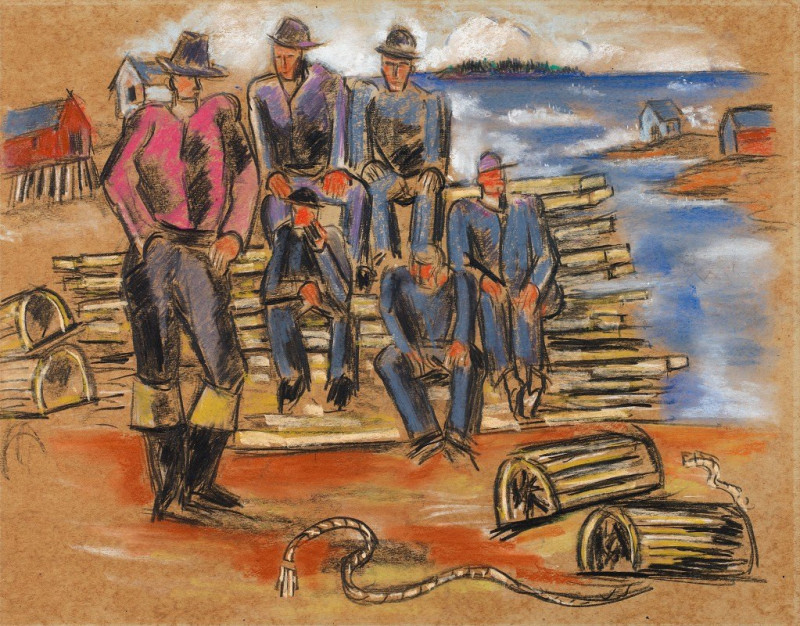
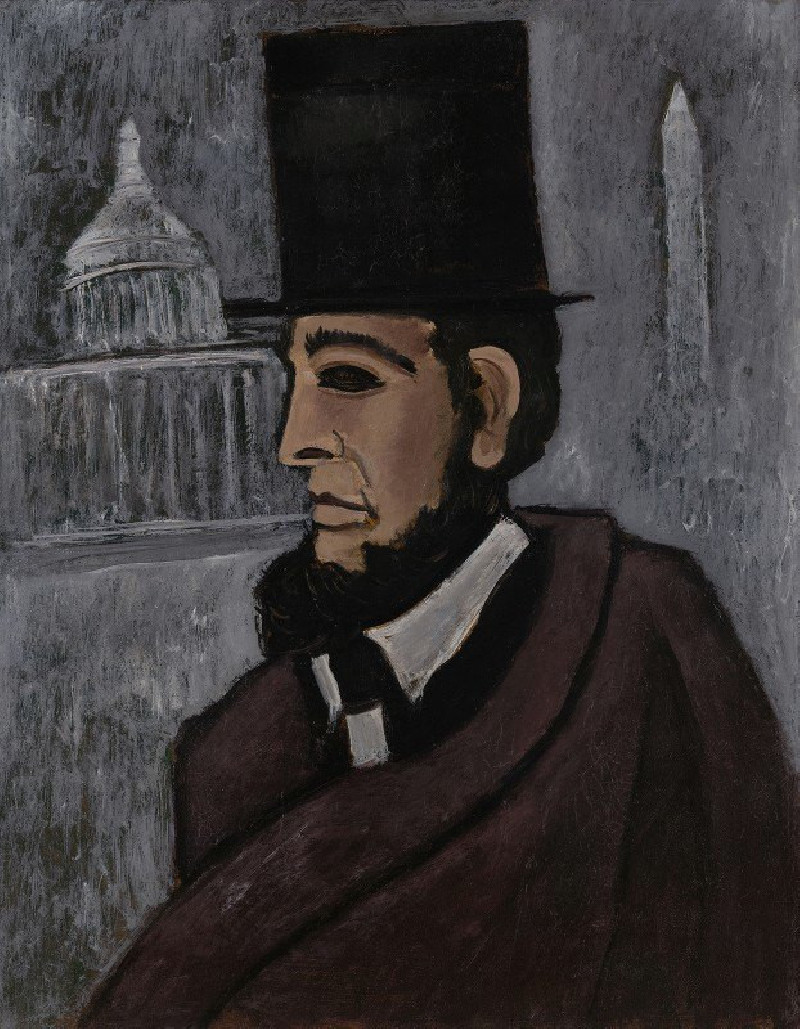
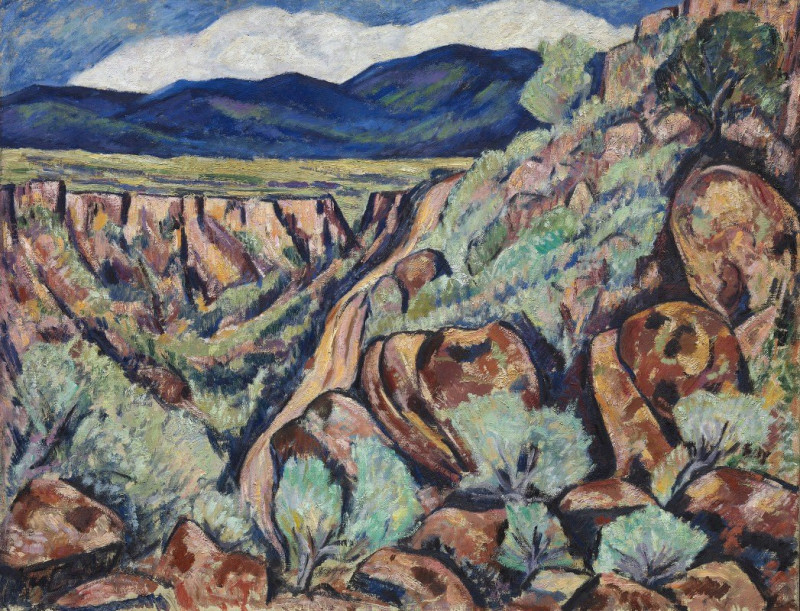
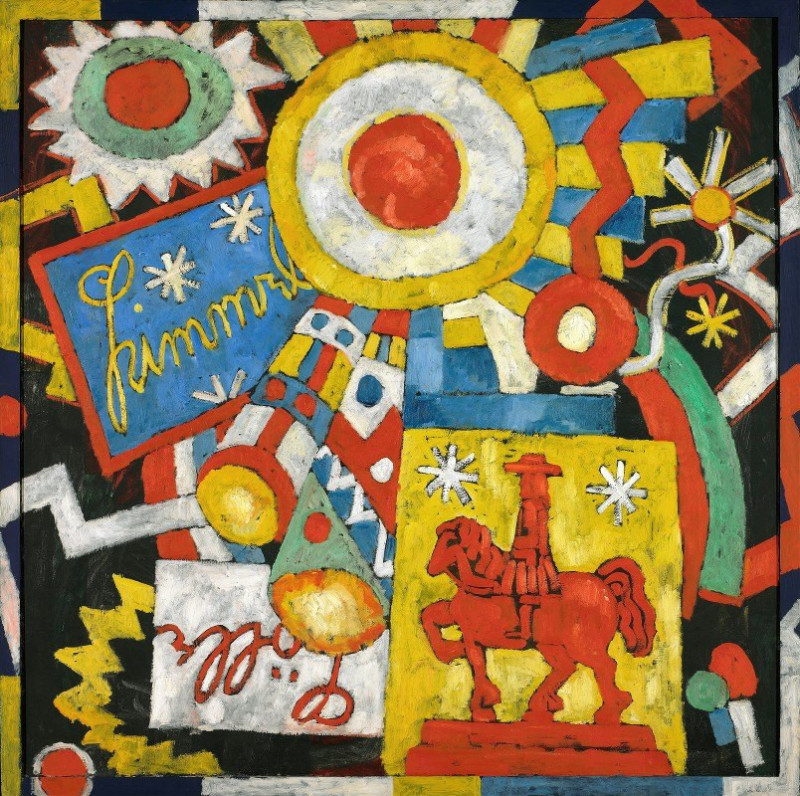
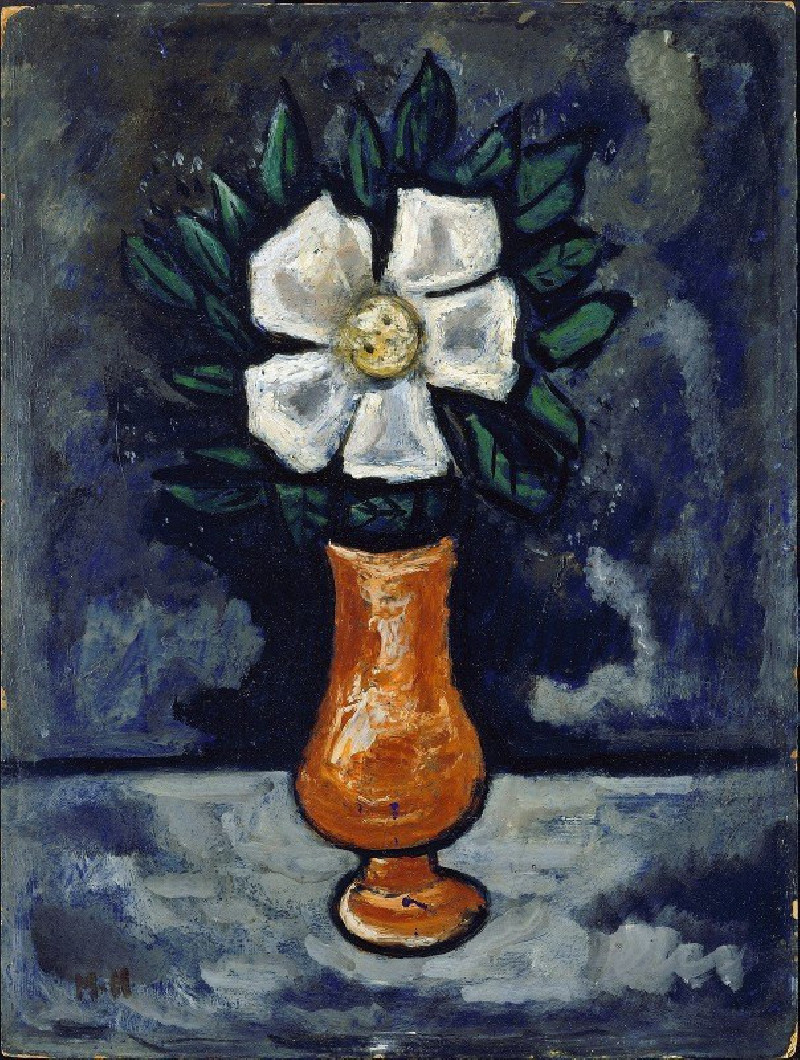
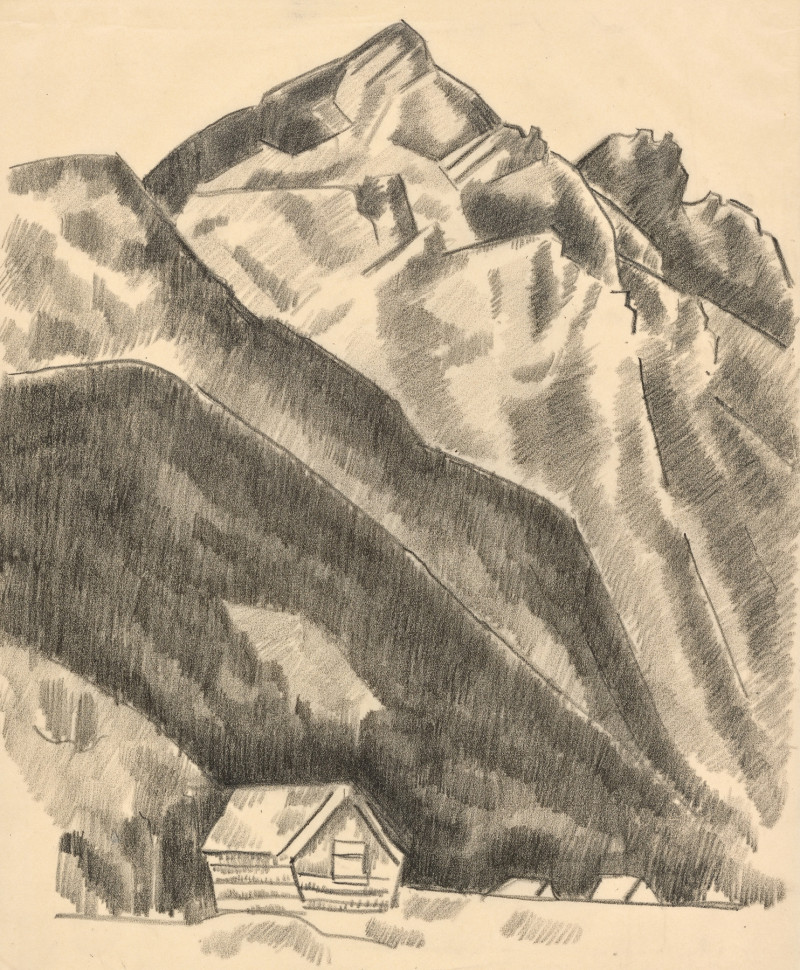
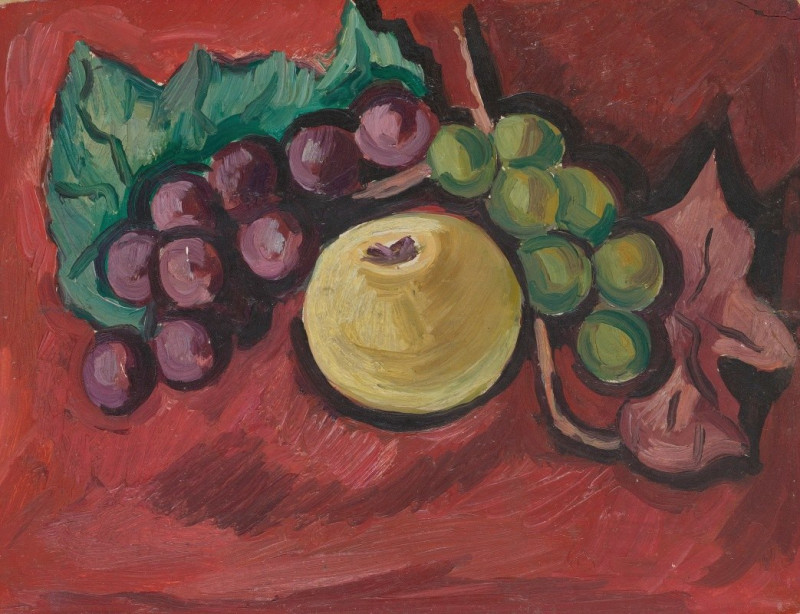
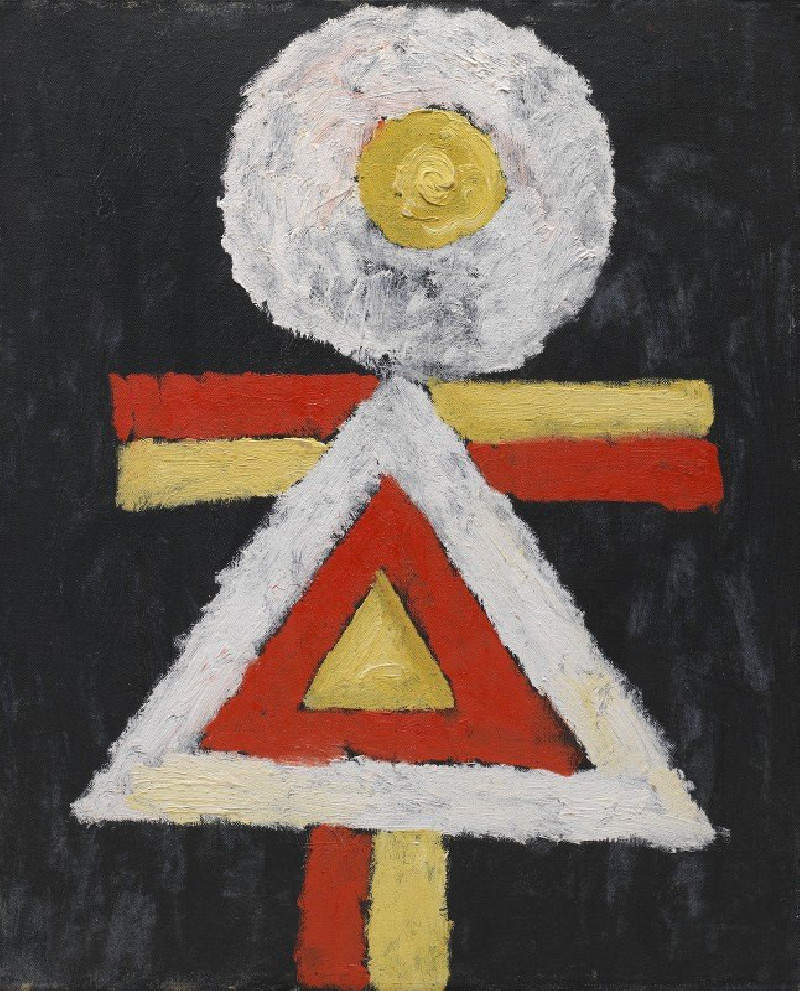
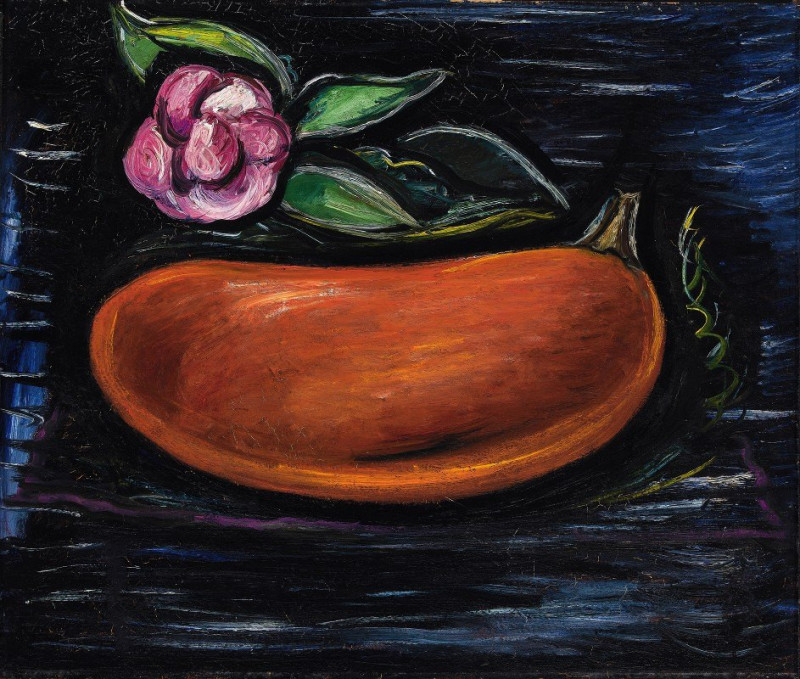
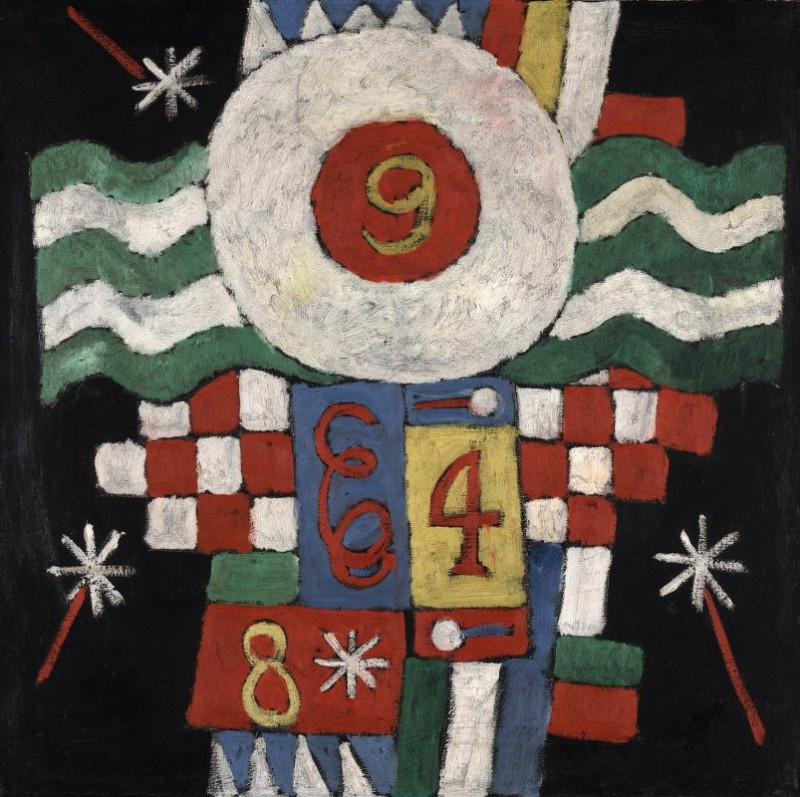
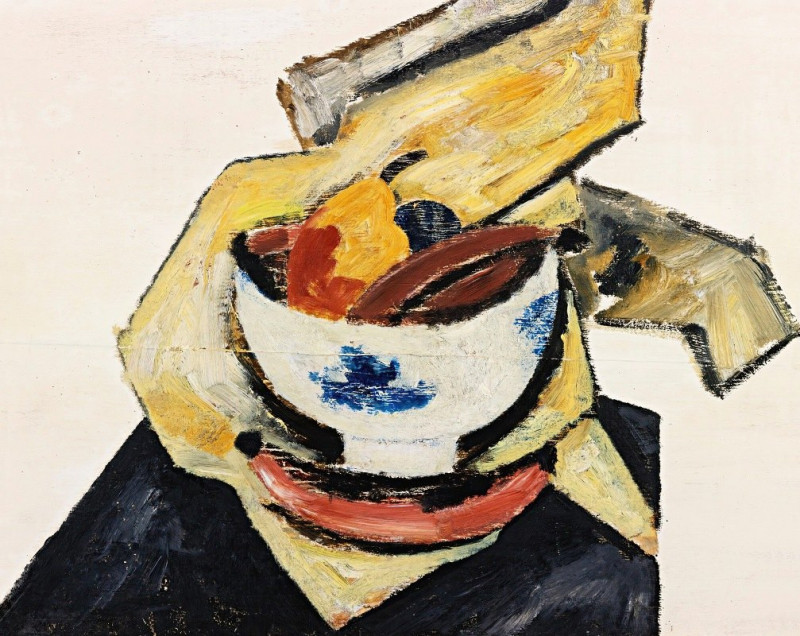
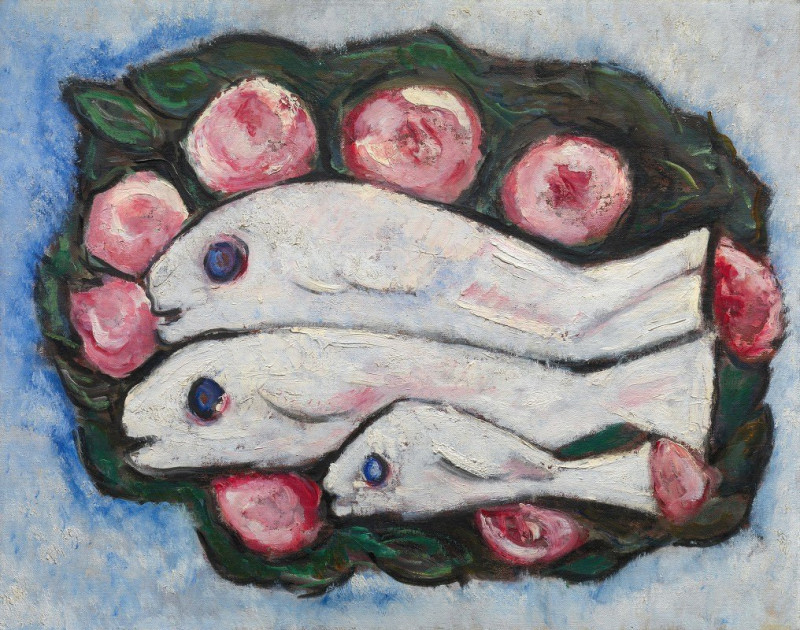
Marsden Hartley (1877–1943) is a Maine native and a leading American Modernist painter, along with his contemporaries, Arthur Dove and Georgia O’Keeffe. He is well-known for employing geometric abstraction as well as bold colors and lines. His paintings depicted imagery of nature, landscapes, figures, and still-life. Sponsored by Alfred Stieglitz, Hartley went to Europe in 1912, spending most of his time in Germany, where he met Gertrude Stein, Wassily Kandinsky, and Franz Marc. After returning to America in 1930, he reconnected with the New England of his childhood and started to portray the landscapes of New England in his paintings.
Giclée quality print
63x80 cm
Giclée quality print
69x80 cm
Giclée quality print
80x80 cm
Giclée quality print
80x57 cm
Giclée quality print
80x57 cm
Giclée quality print
80x63 cm
Giclée quality print
60x80 cm
Giclée quality print
80x64 cm
Giclée quality print
59x80 cm
Giclée quality print
80x60 cm
Giclée quality print
80x64 cm
Giclée quality print
80x64 cm
Giclée quality print
80x62 cm
Giclée quality print
61x80 cm
Giclée quality print
80x61 cm
Giclée quality print
80x66 cm
Giclée quality print
63x80 cm
Giclée quality print
80x62 cm
Giclée quality print
80x69 cm
Giclée quality print
59x80 cm
Giclée quality print
61x80 cm
Giclée quality print
80x80 cm
Giclée quality print
50x80 cm
Giclée quality print
80x60 cm
Giclée quality print
80x66 cm
Giclée quality print
61x80 cm
Giclée quality print
80x65 cm
Giclée quality print
68x80 cm
Giclée quality print
80x80 cm
Giclée quality print
49x80 cm
Giclée quality print
80x61 cm
Giclée quality print
55x80 cm
Giclée quality print
75x80 cm
Giclée quality print
80x67 cm
Giclée quality print
64x80 cm
Giclée quality print
84x60 cm
Giclée quality print
80x64 cm
Giclée quality print
80x58 cm
Giclée quality print
70x60 cm
Giclée quality print
62x80 cm
Giclée quality print
60x50 cm
Giclée quality print
25.5x52.5 cm
Giclée quality print
85x60 cm
Giclée quality print
64x80 cm
Giclée quality print
62x80 cm