Authors Artworks
About the author
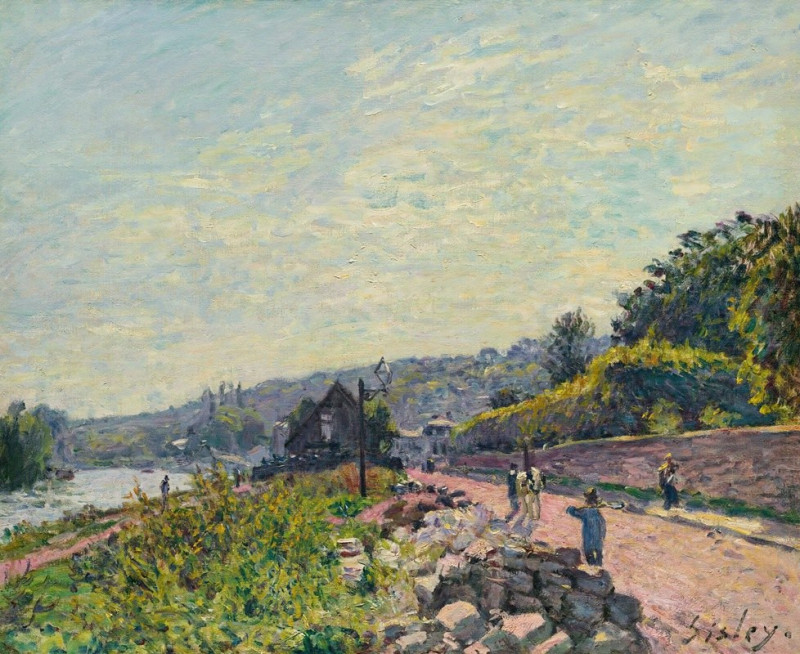
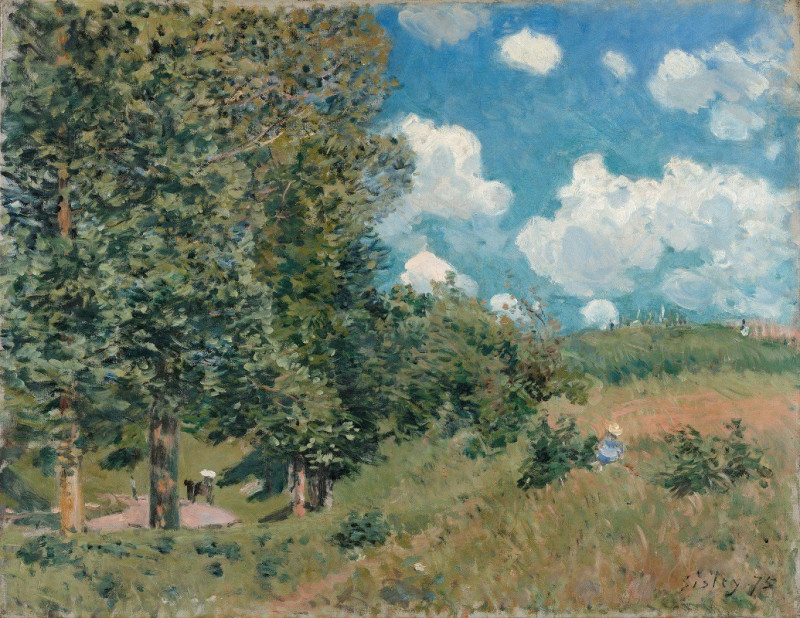
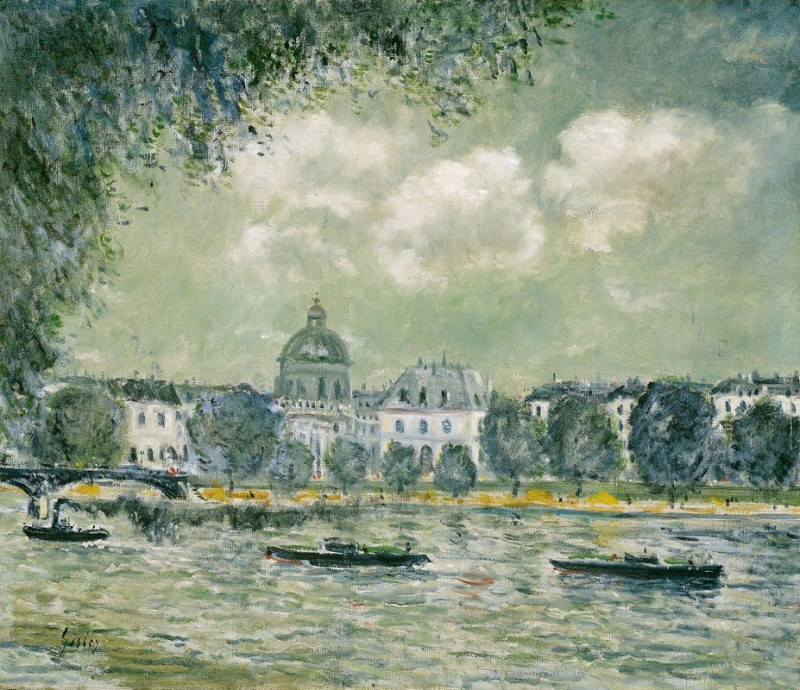
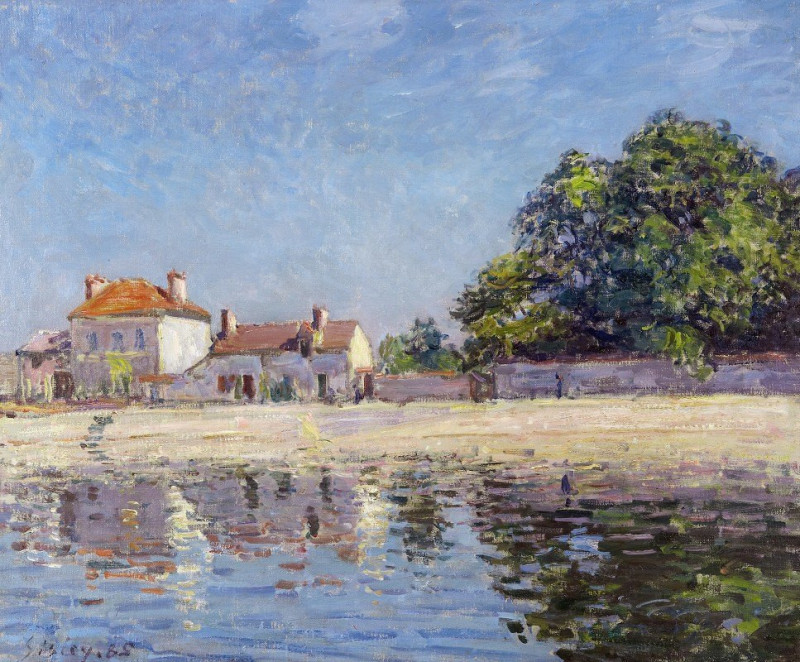
Alfred Sisley (1839–1899) was a leading figure within the Impressionist movement, renowned for his evocative and radiant landscape paintings. Although he was English by birth, Sisley spent nearly all of his life in France, where he developed his artistic vision. His paintings are distinguished by refined brushwork and by his skillful rendering of light, weather, and atmosphere in rural and riverside vistas.
At first, Sisley was expected to pursue a career in business in accordance with his family's wishes. Yet his true passion for art drew him to the Paris studio of Charles Gleyre. There, he became close friends with fellow artists Claude Monet and Pierre-Auguste Renoir, both of whom became central to the rise of Impressionism. Together, they experimented with new artistic methods, turning away from academic traditions in their quest to represent the transient moments of daily life.
Though he showed early promise and benefited from his family's affluence, Sisley’s circumstances shifted significantly after the Franco-German War, when his family lost their fortune. He had to depend on his painting to make a living, facing ongoing financial hardship for much of his career. Despite these challenges, Sisley stayed true to his artistic ideals, and his works—frequently depicting the tranquil landscapes of the French countryside—are now celebrated for both their peacefulness and their originality.
Widespread recognition of Sisley’s art primarily emerged after his death in 1899. Today, his canvases are esteemed for their nuanced, radiant use of color and their remarkable ability to express mood and atmosphere. As a principal figure in Impressionism, Alfred Sisley’s legacy is preserved in major museum collections across the globe, and his paintings continue to be admired for their beauty and emotional resonance.