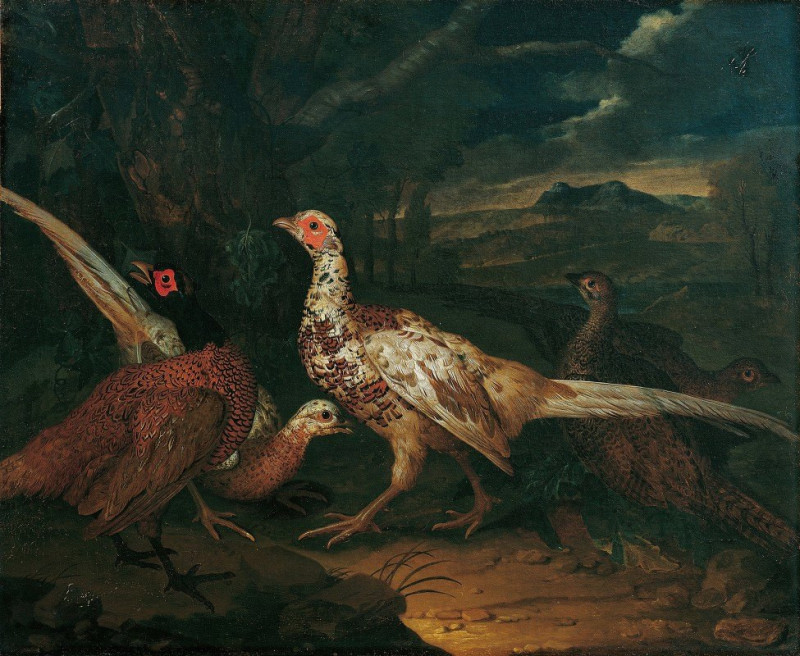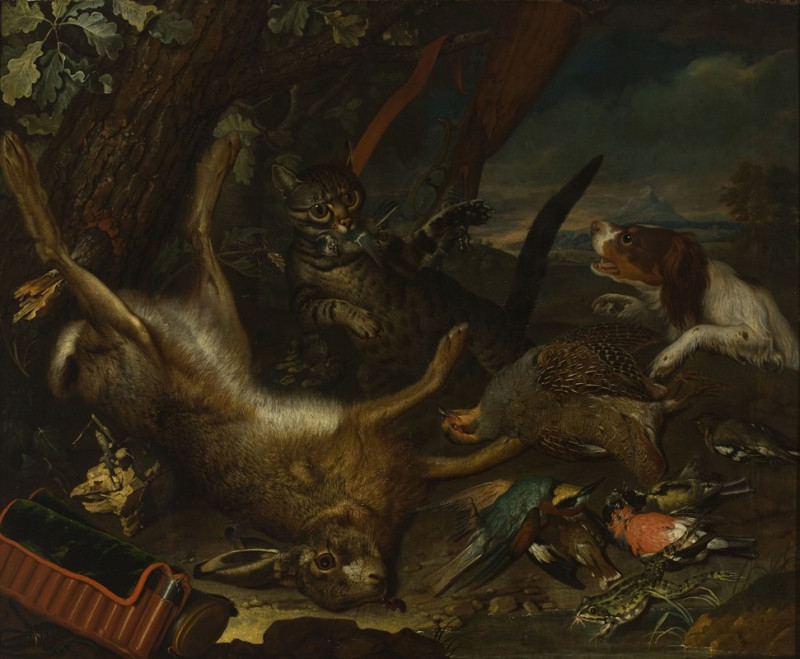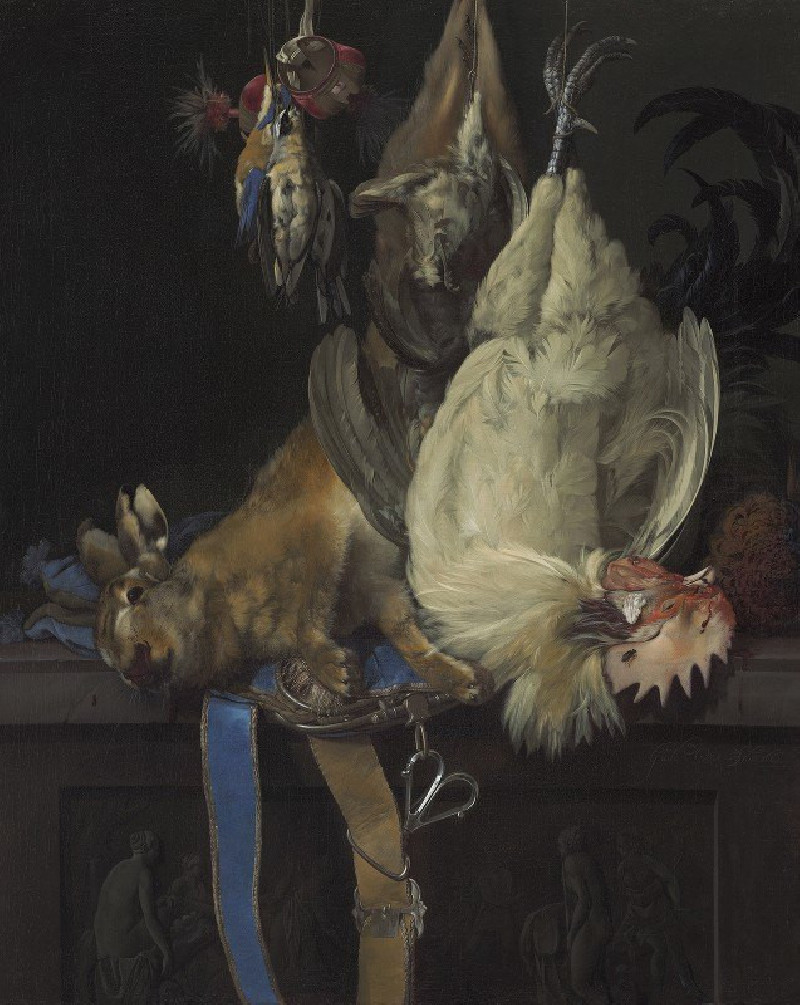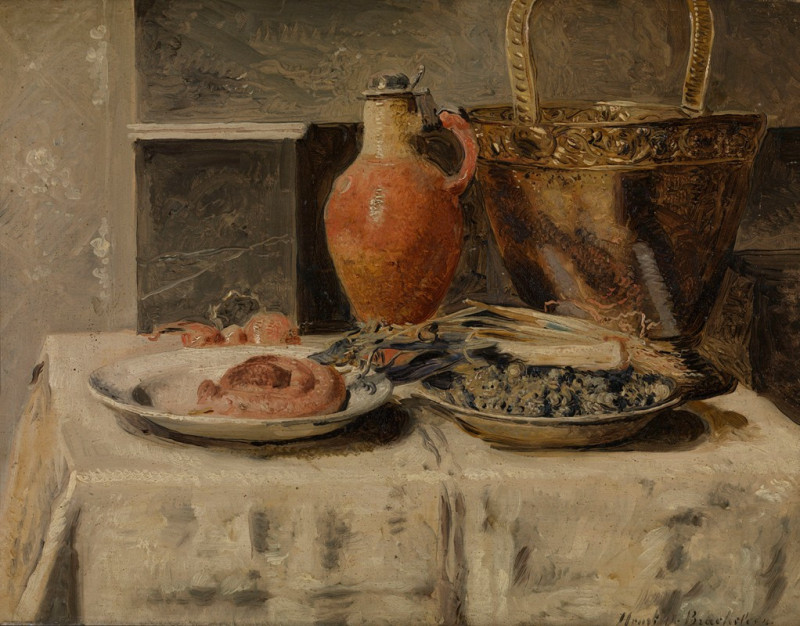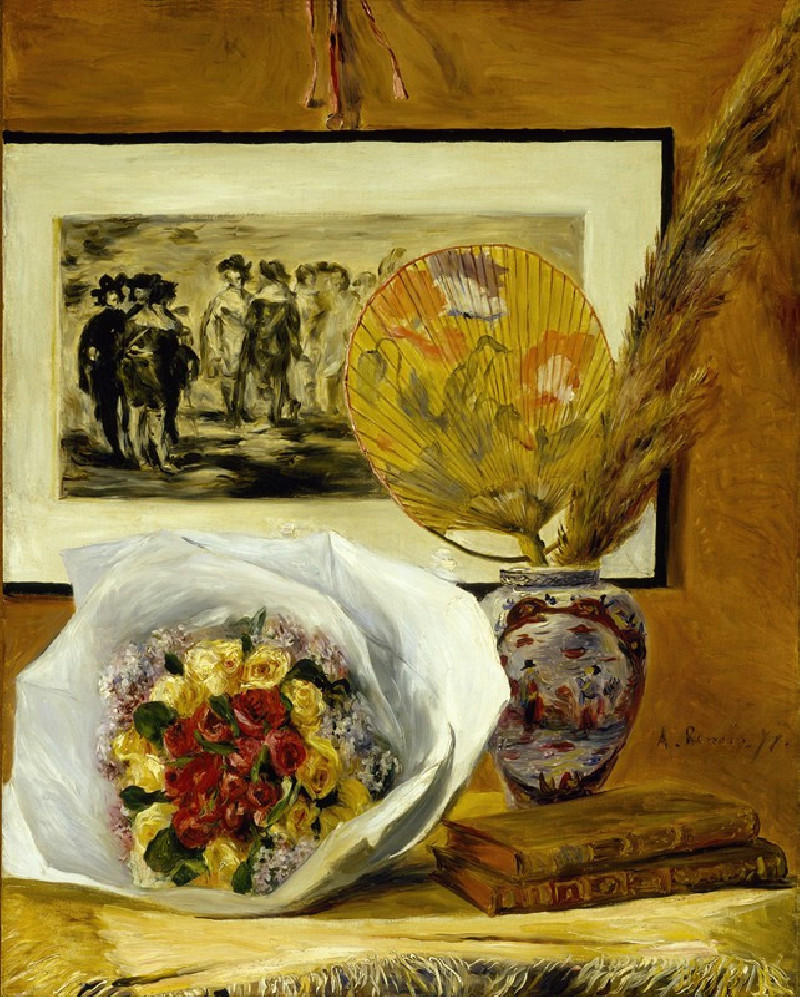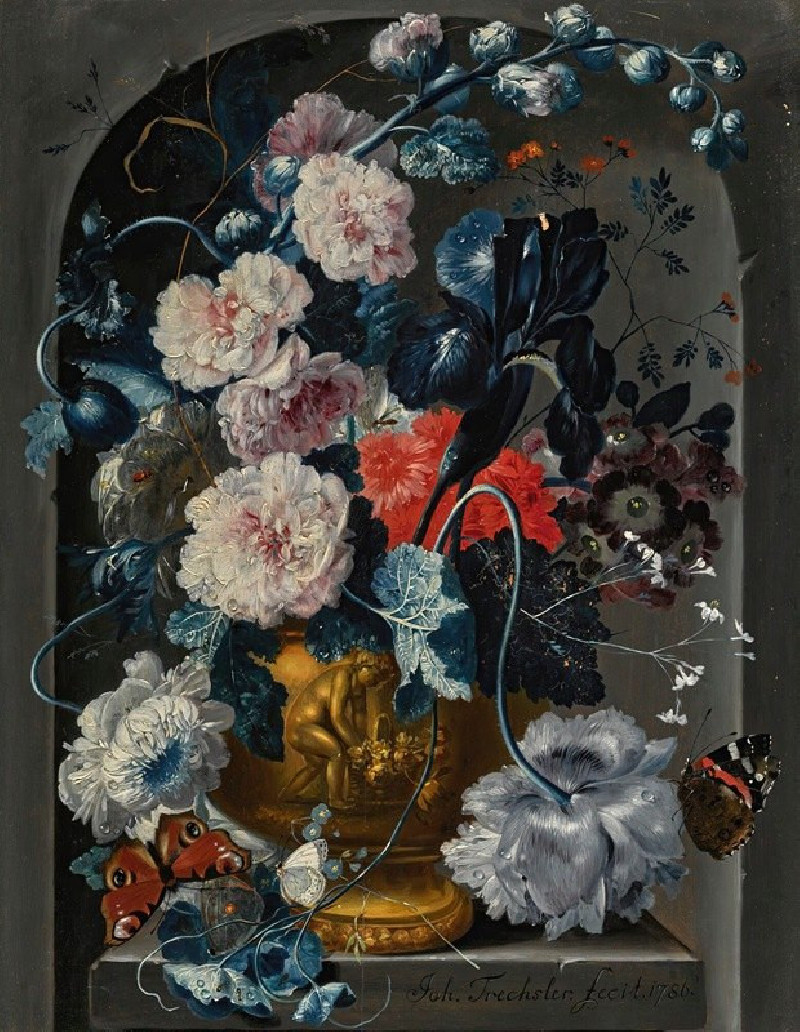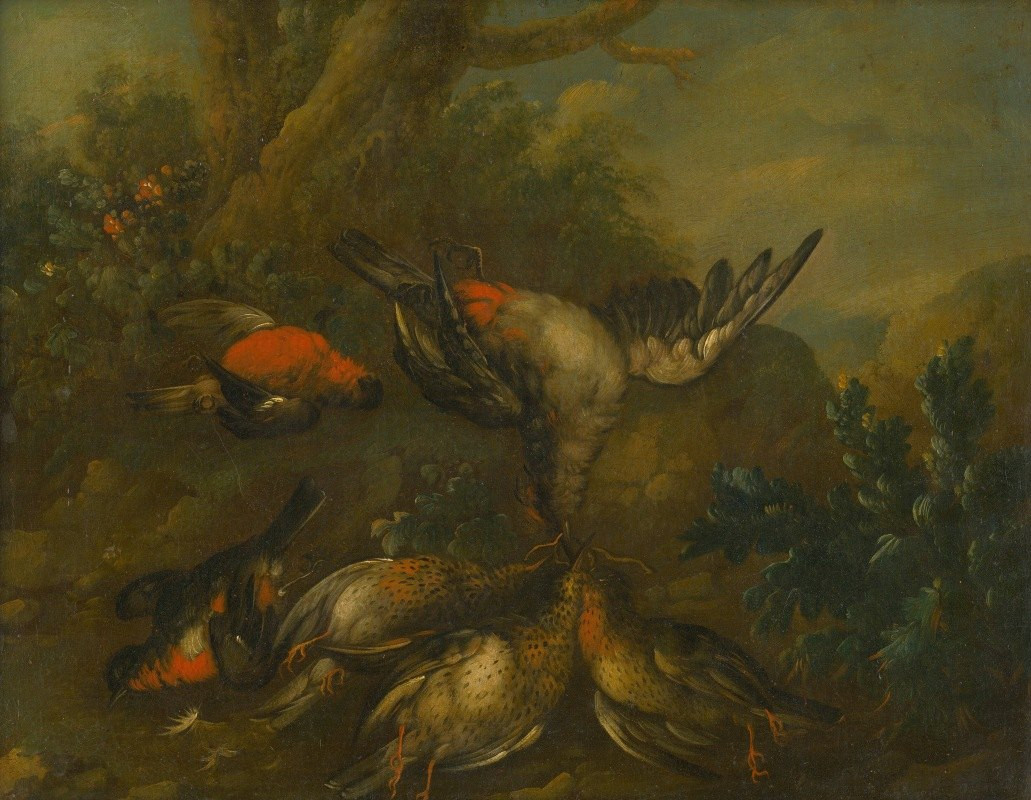
Still Life with Dead Birds (1720–1730)

Technique: Giclée quality print
Recommended by our customers
Size
Finishing (pick one!)

More about this artwork

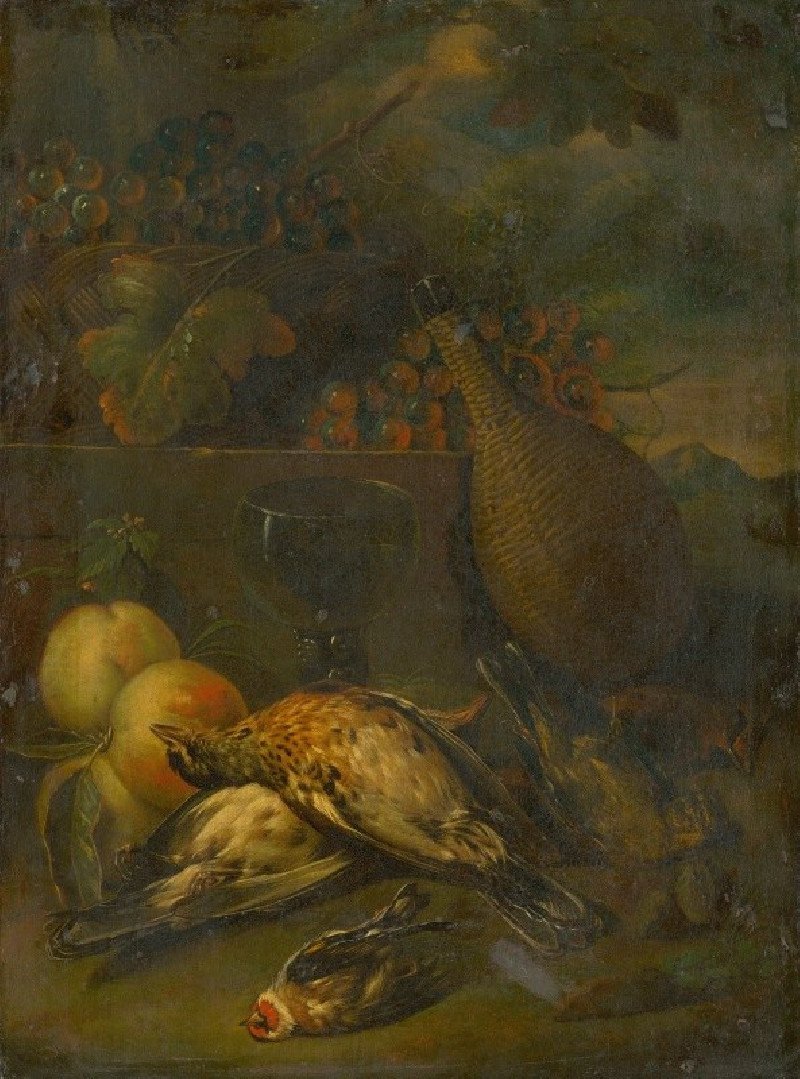
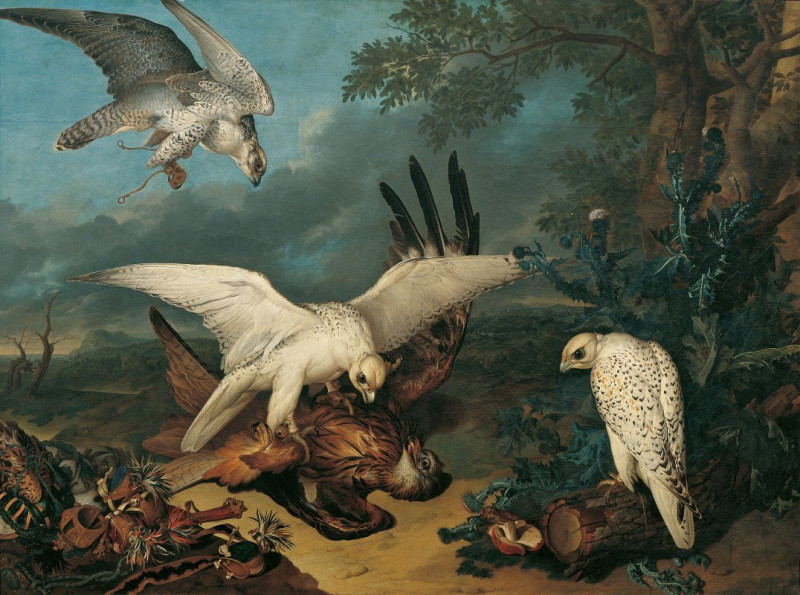
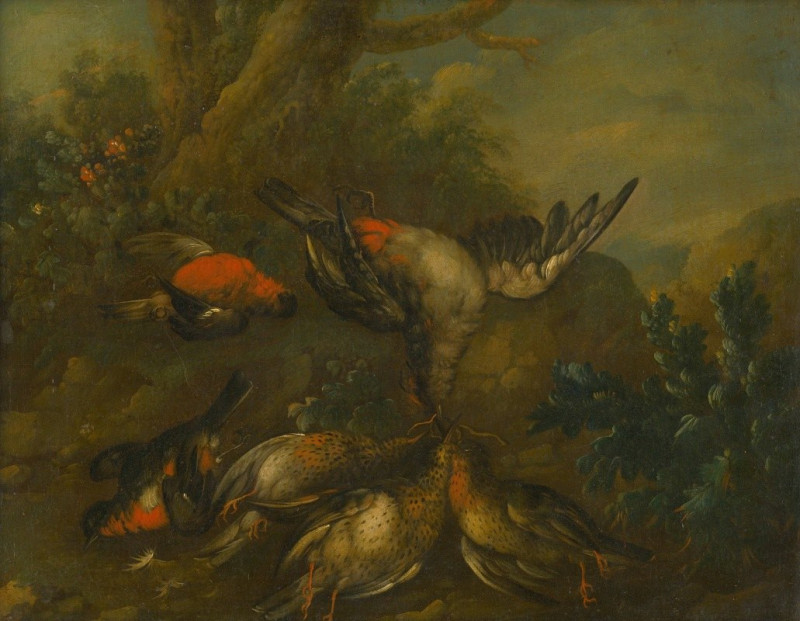
"Still Life with Dead Birds," painted by Philipp Ferdinand de Hamilton between 1720 and 1730, presents a captivating yet somber scene associated with hunting still-lifes, a popular genre during this period. The artwork features several birds, likely game, portrayed post-mortem amidst a wooded landscape. The painter's skillful use of chiaroscuro, where light and shadow dramatically interact, emphasizes the textural details and naturalistic colors of the birds' feathers.In this composition, Hamilton preserves a moment of quiet aftermath, with the birds displayed in various states of repose. The spread of wings and the arrangement of the bodies convey a sense of fallen flight and the abruptness of death. The background, a muted tapestry of greens and browns, suggests the dense, serene environment from which these creatures were once alive and active.This painting not only reflects the skills of a hunter but also serves as a reminder of the fragile delineation between life and stillness in nature.

Delivery

We create reproductions on demand, with a production time of 5 to 7 business days.

Our courier service ensures delivery within an additional two business days.

If you need a faster turnaround, please contact us. We can often expedite the process to meet your needs.

You can also pick up your paintings at our galleries in Kaunas or Vilnius.

Returns

Yes, reproductions can be returned.

If you have any concerns more than 30 days after purchase, please contact us. We will either provide a refund or offer a replacement!

Please note that we accept a maximum of two returns per customer. Since reproductions are made to order, we encourage you to choose responsibly.

Shipping expenses are non-refundable.

Philipp Ferdinand de Hamilton was a distinguished painter of the 18th century who originated from the Southern Netherlands, a historical territory that is now largely situated within present-day Belgium. He achieved his greatest acclaim in Austria, where the majority of his artistic output was produced and widely admired. His paintings are representative of the era’s vibrant visual culture, particularly within the context of European aristocratic courts.

De Hamilton was born in Brussels into a family with a rich artistic heritage. His father, James de Hamilton, a painter from Scotland, had settled in the Southern Netherlands, thereby continuing the family's tradition in the arts. Philipp Ferdinand developed his craft under his father's tutelage, which provided the foundation for his later achievements and the evolution of his unique artistic approach.

Between 1705 and 1750, de Hamilton was employed as a court painter in Vienna, a prestigious role that enabled him to create works for the Habsburg court and the nobility. At that time, Vienna stood as a thriving artistic hub, and de Hamilton’s position granted him direct access to the center of cultural and creative activity. His paintings became prized for their meticulous detail and thoughtful composition, playing a significant role in influencing the aesthetic preferences of the Viennese upper class.

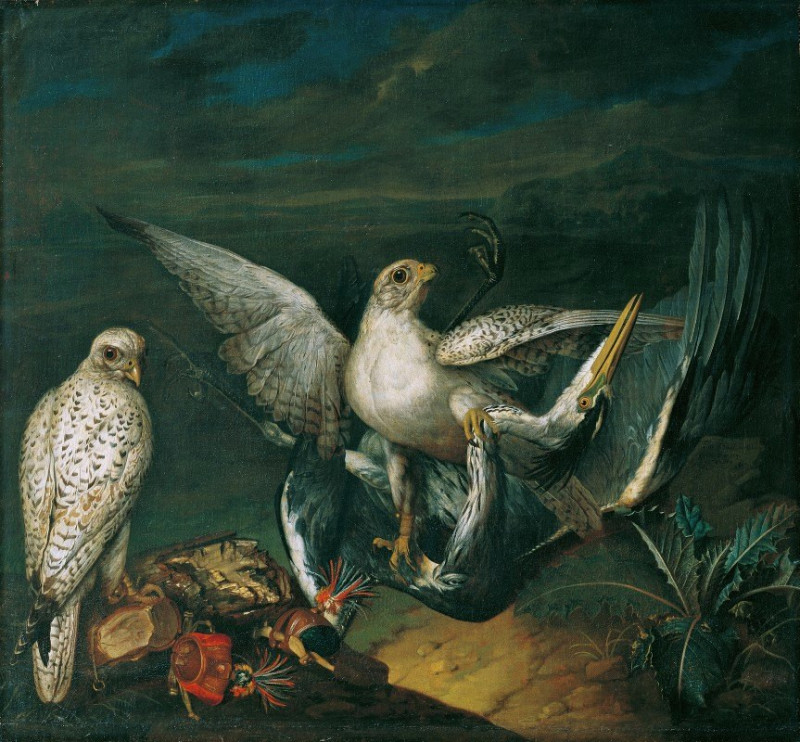
De Hamilton gained particular fame for his portrayals of hunting scenes, a genre that enjoyed immense popularity in the 18th century and one in which he and his brother, Johann Georg, both excelled. His energetic and lively canvases conveyed the excitement of the hunt by combining realistic details with a vivid sense of motion. Philipp Ferdinand de Hamilton remained in Vienna for the rest of his life, ultimately leaving a lasting mark that endures in the annals of European art history.