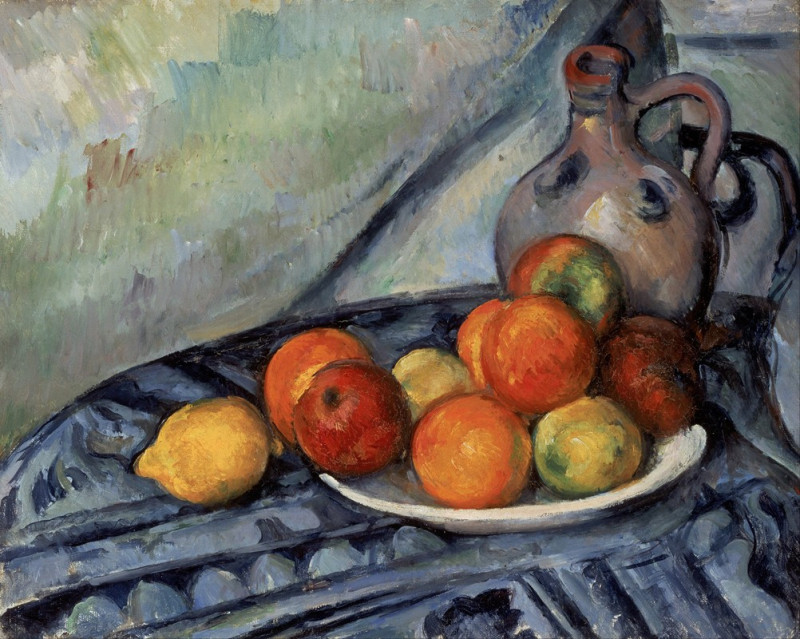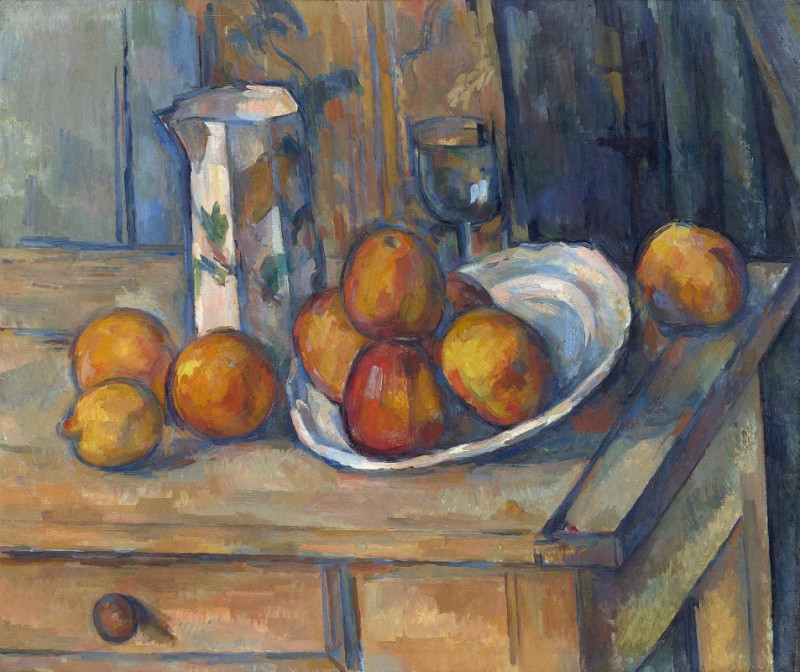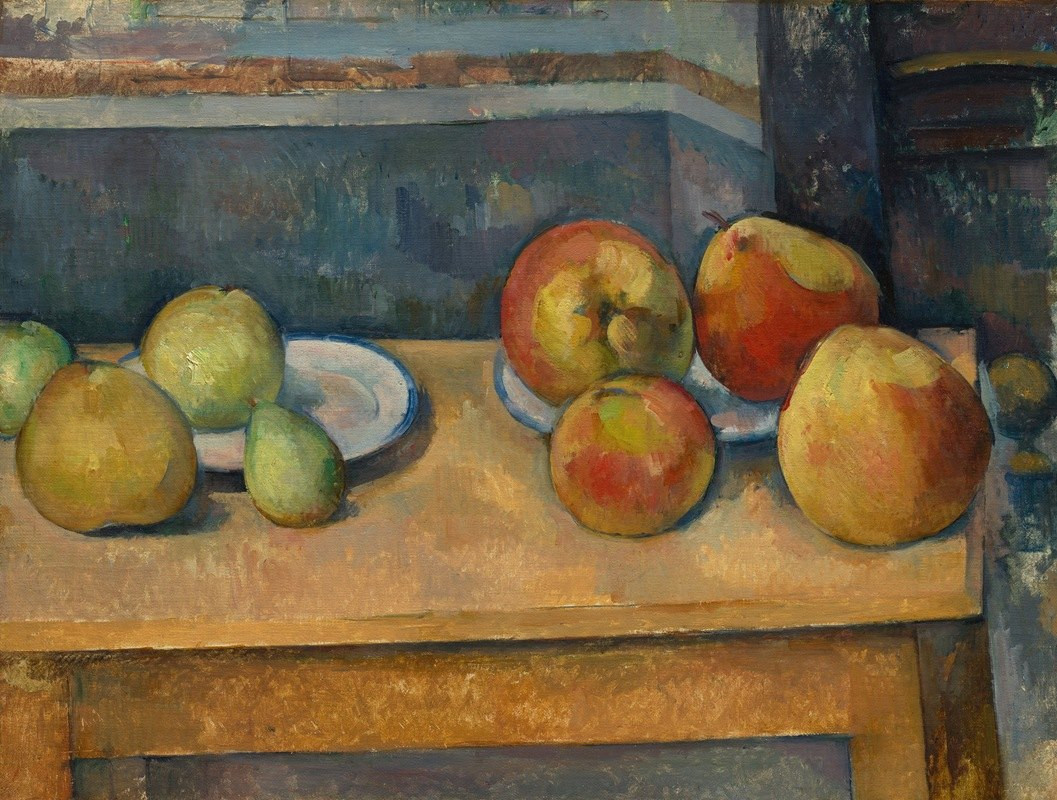
Still Life with Apples and Pears (ca. 1891–92)

Technique: Giclée quality print
Recommended by our customers
Size
Finishing (pick one!)

More about this artwork

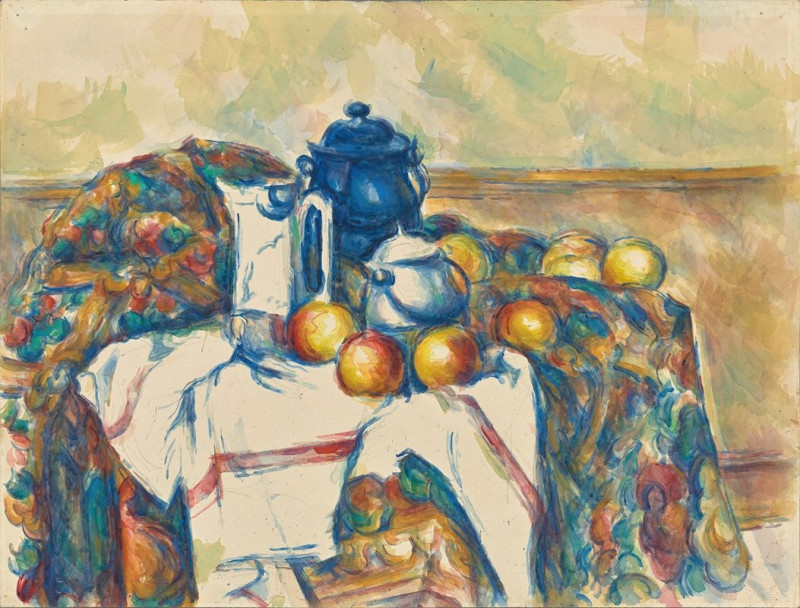
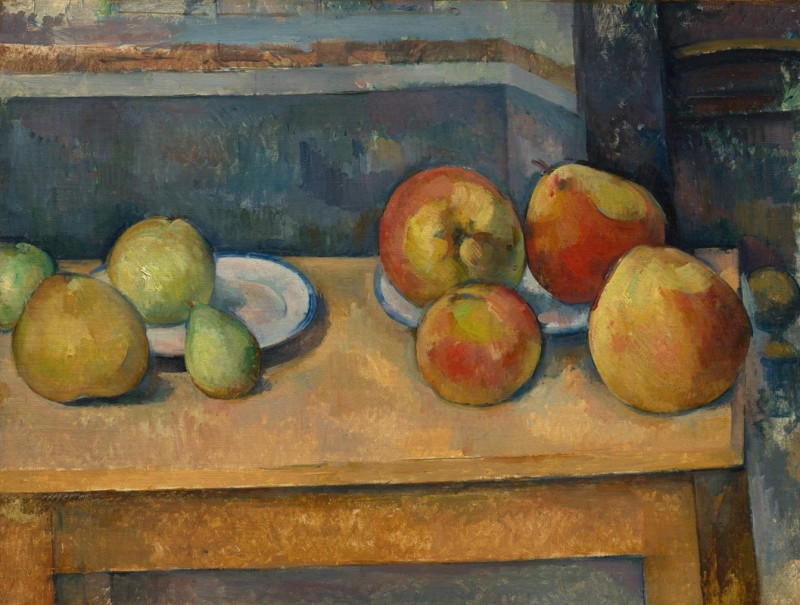
"Still Life with Apples and Pears" is a remarkable work by the French artist Paul Cézanne, painted around 1891-92. In this painting, Cézanne masterfully captures the simplicity and beauty of everyday objects through his unique perspective and brushwork.The composition presents a serene arrangement of fruit on a wooden table. Apples and pears, depicted in varying shades of red, yellow and green, rest both directly on the tabletop and on a white plate, creating a vivid contrast against the muted background. The gentle, yet deliberate brushstrokes build up the form of the fruits, infusing them with a sense of volume and weight.This painting exemplifies Cézanne's skill in transforming common subjects into visually intriguing compositions. The use of color and light enhances the textural qualities of the fruit, making them appear tangible. Cézanne's treatment of space and form in "Still Life with Apples and Pears" had a profound influence on the development of modern art, steering the creative directions of countless artists in the generations that followed.
Delivery

We create reproductions on demand, with a production time of 5 to 7 business days.

Our courier service ensures delivery within an additional two business days.

If you need a faster turnaround, please contact us. We can often expedite the process to meet your needs.

You can also pick up your paintings at our galleries in Kaunas or Vilnius.

Returns

Yes, reproductions can be returned.

If you have any concerns more than 30 days after purchase, please contact us. We will either provide a refund or offer a replacement!

Please note that we accept a maximum of two returns per customer. Since reproductions are made to order, we encourage you to choose responsibly.

Shipping expenses are non-refundable.

Paul Cézanne was a French artist and Post-Impressionist painter whose creations established a foundation for moving from the artistic ideals of the 19th century to a dramatically new era of art in the 20th century.

Born in Aix-en-Provence in 1839, Cézanne is frequently called the “father of modern art.” His distinctive treatment of form and color left a lasting influence on artists such as Picasso and Matisse, and his breakthroughs played a significant role in the rise of Cubism.

Cézanne’s paintings are distinguished by his repeated, investigative brushstrokes and his sharp focus on the structures beneath his subjects, whether landscape, still life, or portrait. He aimed to express the fundamental nature of what he observed by reducing natural forms to geometric elements, delving into the intricacies of how we perceive visually.

Though recognition eluded him for much of his life, Cézanne’s unwavering commitment and foresight brought about a profound shift in the history of art. Today, his works are renowned for their tremendous influence and are exhibited in prominent museums and collections around the globe.