Authors Artworks
About the author
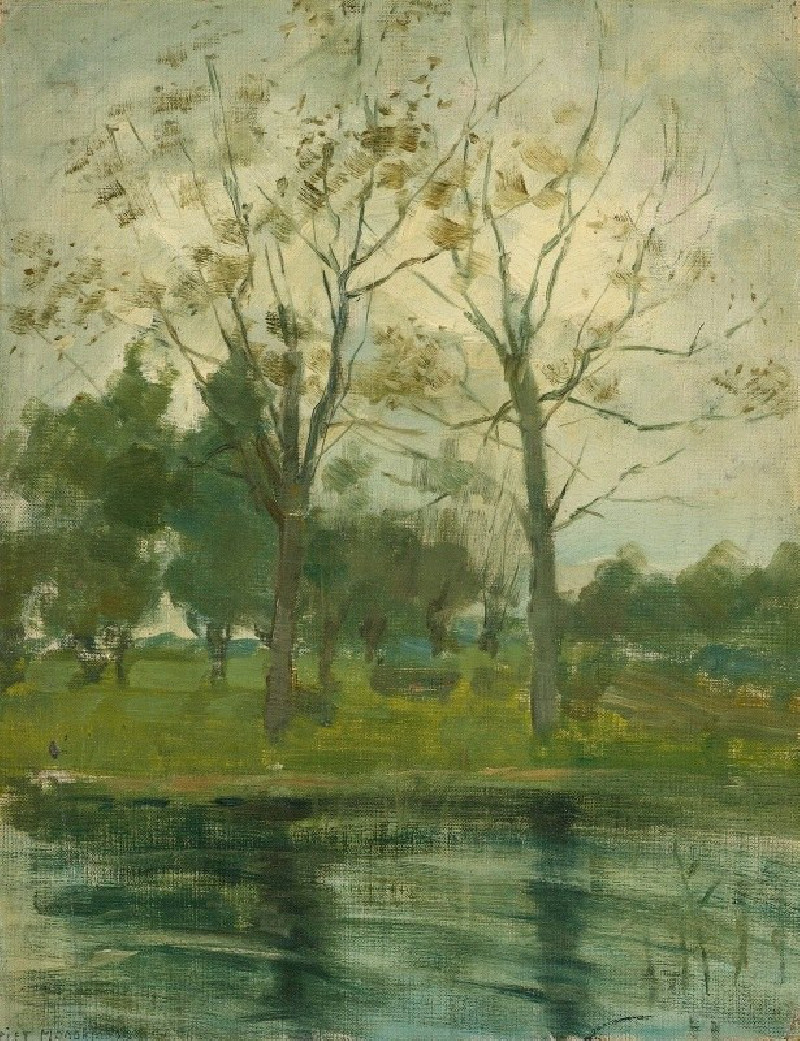
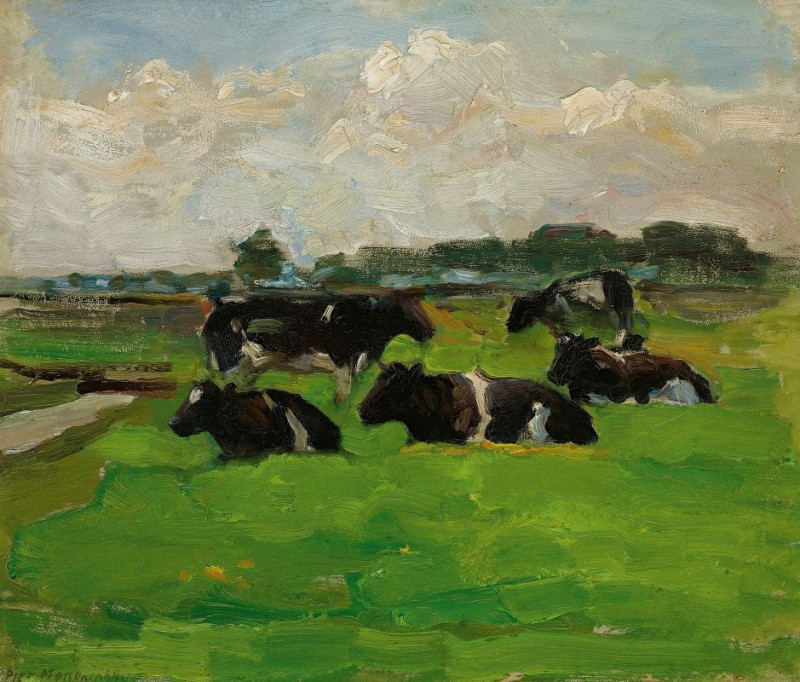
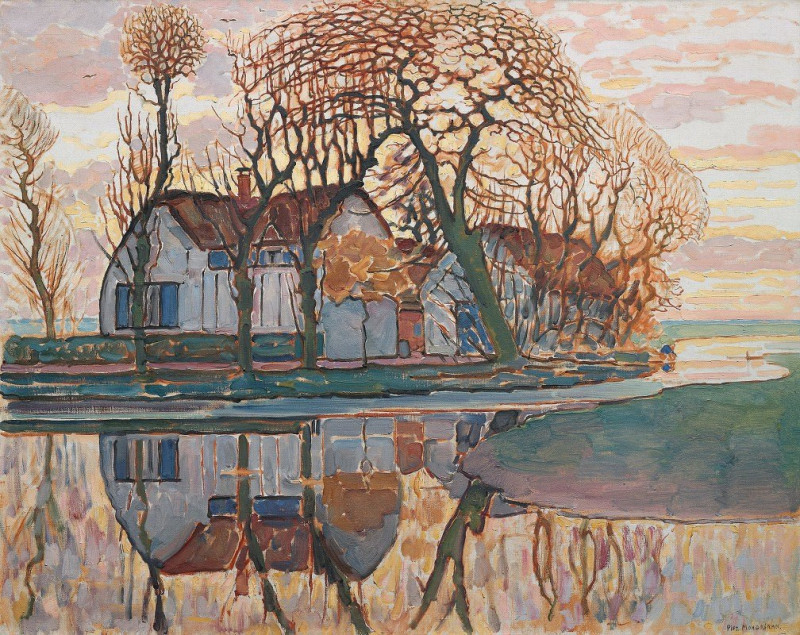
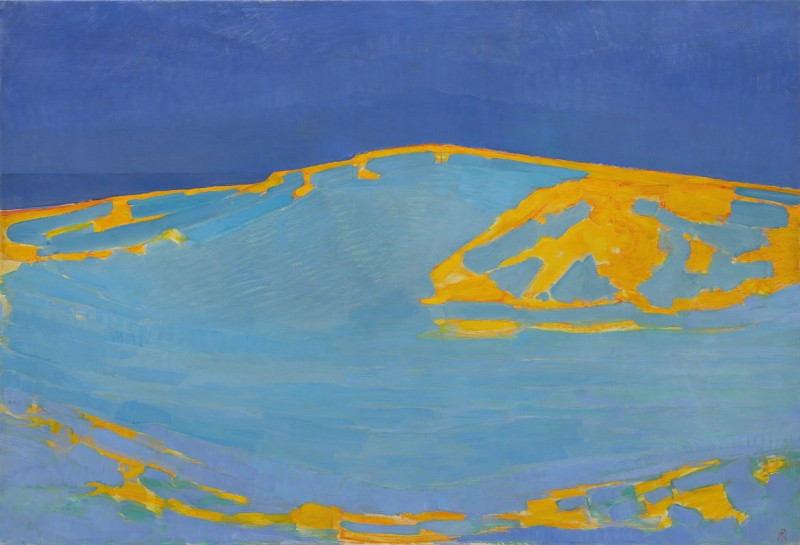
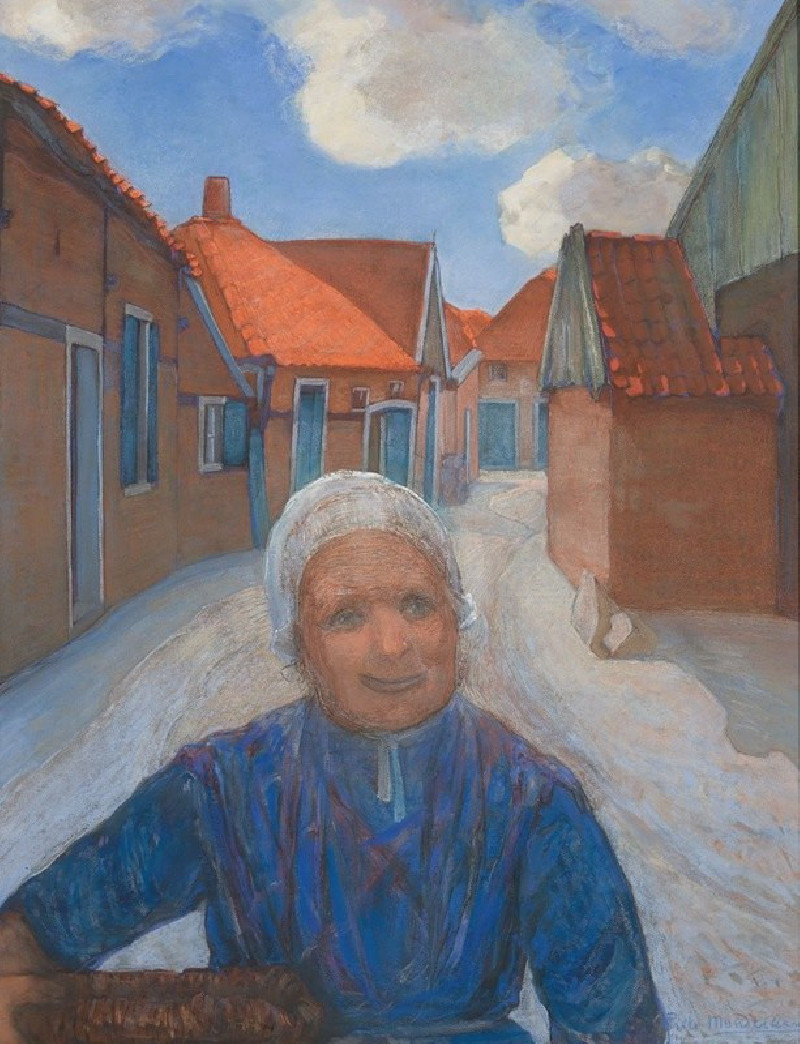
Piet Mondrian, originally named Pieter Cornelis Mondriaan and born in 1872 in the Netherlands, emerged as a significant figure in the development of modern art. His early paintings were more representational, often depicting landscapes that showed the effects of Impressionism and Symbolism. Over time, however, his artistic vision changed dramatically as he endeavored to reduce art to its fundamental components.
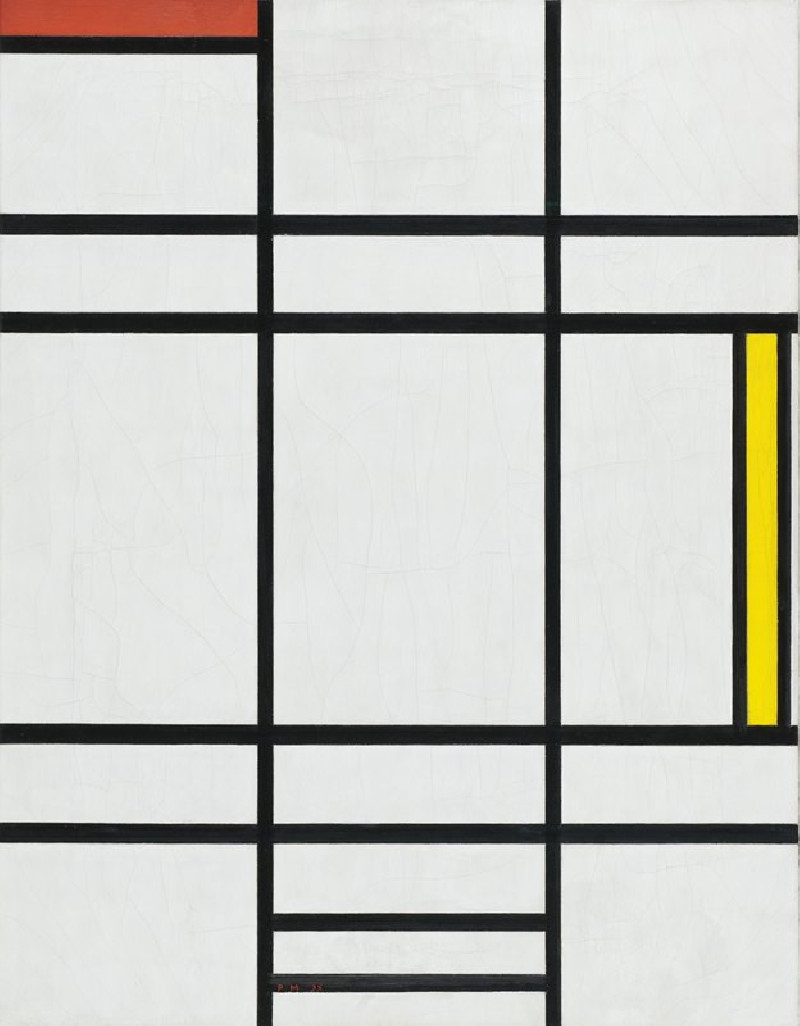
Mondrian is most renowned as a trailblazer in abstract art and played a key role in founding the De Stijl movement in 1917 with Theo van Doesburg. This movement championed abstraction and simplicity, with a focus on straight lines, right angles, primary colors, and neutral tones such as black, white, and gray. The distinctive style Mondrian developed, referred to as "neoplasticism," is defined by arrangements of horizontal and vertical lines along with blocks of pure color.
His best-known pieces, particularly those in the "Composition" series, are marked by grids of black lines intersecting at right angles, where the squares and rectangles are filled with vivid primary colors. These works embody his belief that art should communicate universal values and harmony by stripping forms down to their most basic structures. This groundbreaking method influenced not only painting, but also fields such as design, architecture, and fashion.
During his later years, Mondrian lived in Paris, London, and ultimately New York, where he continued to develop and perfect his artistic ideas and practice. His influence persists, evident across various artistic movements and disciplines. Piet Mondrian died in 1944, and his oeuvre remains foundational to the story of abstract art.