Authors Artworks
About the author
Gerrit Willem Dijsselhof (1866–1924) was a notable Dutch painter and decorative artist, strongly linked to the Arts and Crafts Movement. This influential movement, which highlighted the importance of craftsmanship and design, played a crucial part in the development of Dutch Art Nouveau, locally referred to as "Nieuwe Kunst." Dijsselhof’s creations are distinguished by his dedication to infusing everyday objects with artistry, thus connecting the realms of fine art and applied arts.
Dijsselhof helped to establish the association “Labor et Artes” with fellow students from the Royal Academy of Art in The Hague, where he was one of the founding members. Their mission was to raise the value of decorative arts in the Netherlands and to promote an integrated perspective on art and design. Through his involvement with this group, Dijsselhof played a key role in guiding Dutch society towards new artistic directions at the dawn of the 20th century.
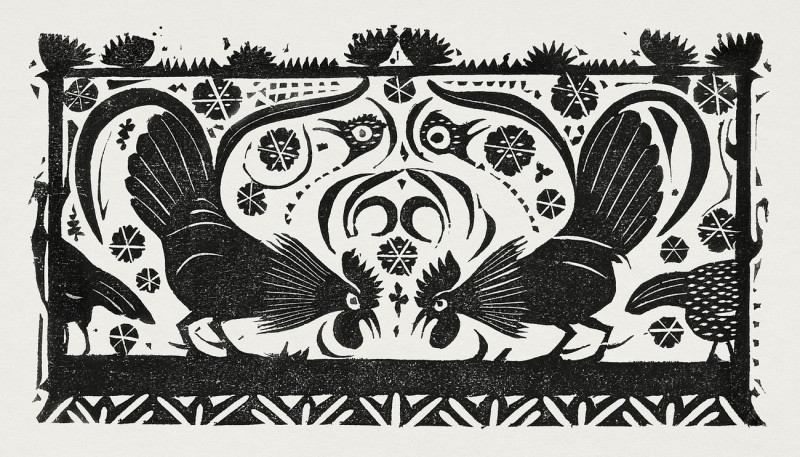
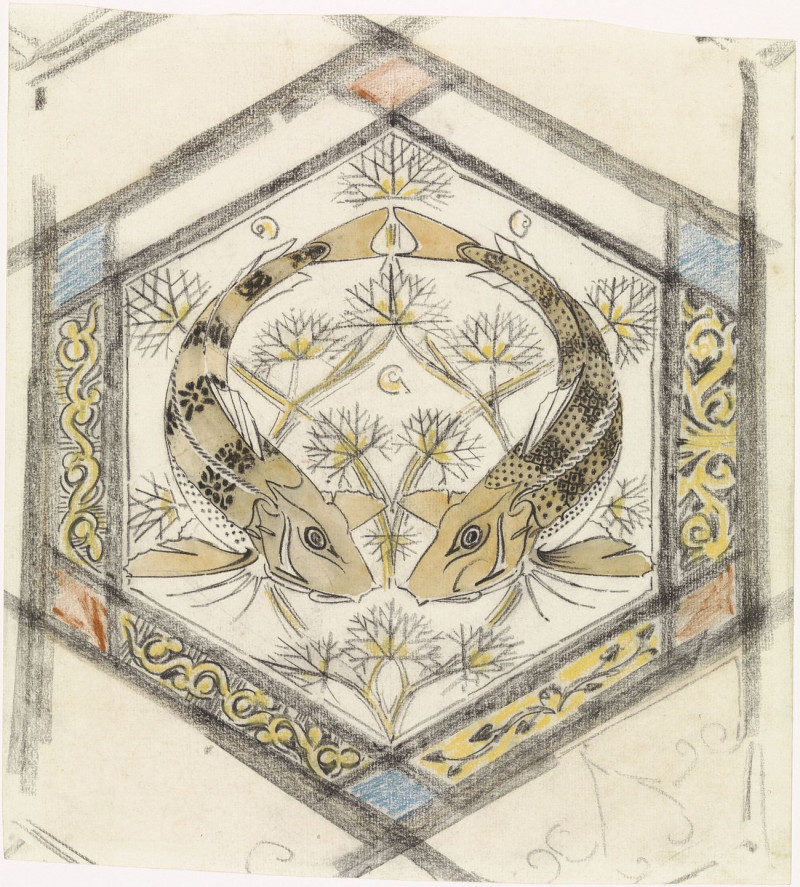
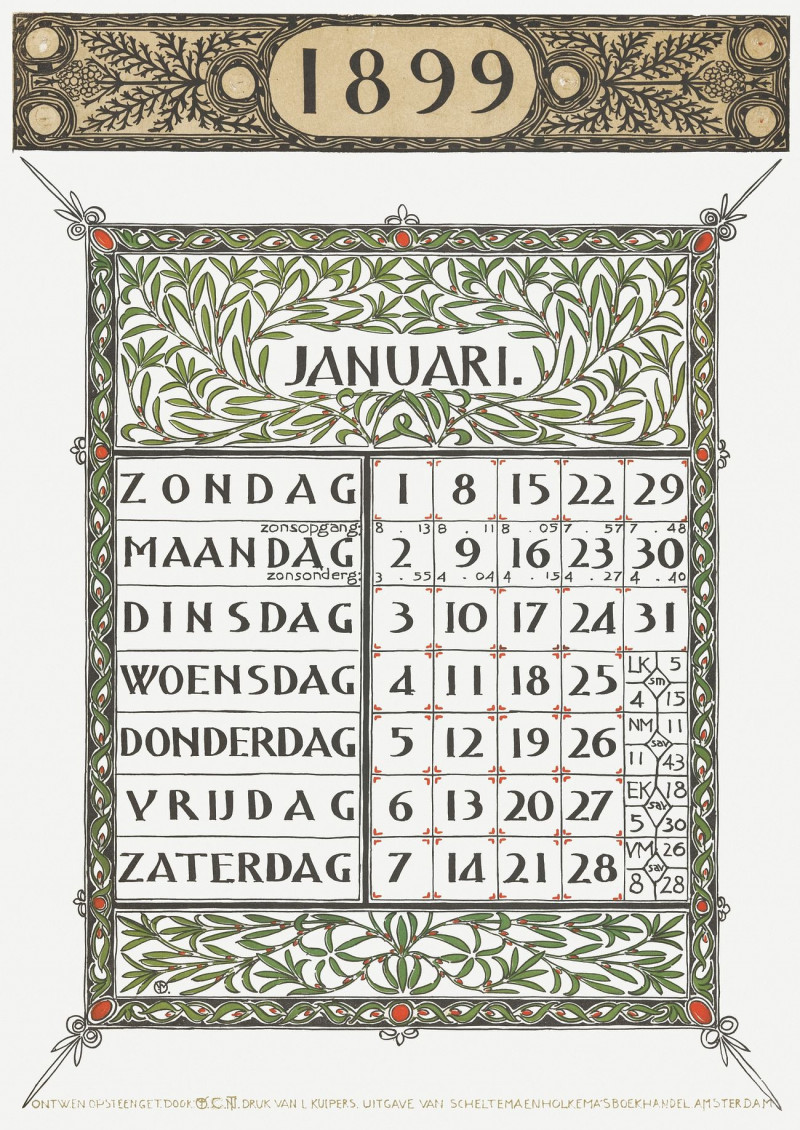
A versatile artist, Dijsselhof demonstrated talents well beyond painting. He gained recognition for his work in furniture, bookbinding, textiles, embroidery designs, and other forms of applied art. His diverse body of work embodied the ideals of the Arts and Crafts Movement, aiming to unify beauty and practicality throughout various media and in daily life.
Dijsselhof found inspiration in prominent contemporaries such as William Morris and Walter Crane, both pioneers of England’s Arts and Crafts Movement. Their influence is evident in his focus on handcraftsmanship, natural forms, and detailed decorative patterns. Through his wide-ranging contributions, Gerrit Willem Dijsselhof made a significant and enduring impact on Dutch decorative arts and design.